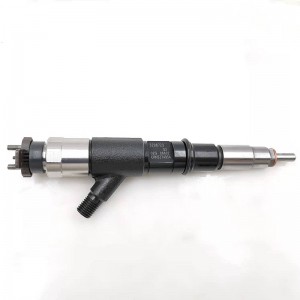
The long-term performance of a diesel injector nozzle is closely related to the condition of its spray holes. These micro-scale passages are subjected to continuous high-pressure fuel flow, which can gradually alter their geometry over time. Understanding the wear evolution of nozzle holes is essential for evaluating injector durability and maintaining consistent spray performance.
During operation, high-velocity fuel passing through the nozzle holes can cause erosion along the internal surfaces. This effect is intensified by pressure fluctuations, micro-cavitation, and the presence of solid contaminants in the fuel. As a result, the diameter of the holes may slowly increase, and sharp edges at the inlet or outlet may become rounded.
Changes in hole geometry directly affect flow characteristics. An increase in diameter leads to higher fuel flow rate, which may result in over-fueling under the same control conditions. At the same time, the alteration of internal surface structure can modify turbulence levels, influencing atomization quality.
Wear-induced changes also affect spray pattern consistency. Originally well-balanced multi-hole nozzles may develop uneven flow distribution, where some holes deliver more fuel than others. This imbalance can lead to asymmetric spray patterns, reducing combustion efficiency and increasing emissions.
Another important factor is the degradation of surface finish. As wear progresses, internal roughness increases, disrupting smooth fuel flow and contributing to instability in the emerging spray. This can produce larger droplets and reduce the effectiveness of fuel-air mixing.
Material hardness and surface treatment play a key role in resisting wear. Advanced coatings and heat treatment processes help maintain hole integrity under extreme operating conditions. However, even with high-quality materials, gradual wear is inevitable over long service periods.
Regular inspection and performance testing are important to detect early signs of nozzle degradation. Monitoring changes in fuel consumption, emissions, or injector balance can help identify worn nozzles before severe performance loss occurs.
In summary, nozzle hole wear is a gradual but critical factor influencing diesel injector performance. Controlling wear through material selection, fuel quality, and maintenance practices is essential for sustaining stable spray characteristics and efficient engine operation.