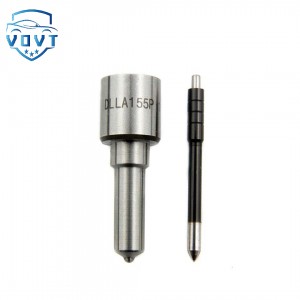
Injector nozzles operate under extreme conditions, including high pressure, high temperature, and high-frequency cycling. Over long-term engine operation, the reliability of the nozzle becomes a key factor affecting fuel injection accuracy and overall engine performance. Even small changes in nozzle condition can lead to noticeable variations in combustion behavior.
One of the main factors influencing nozzle reliability is mechanical wear. The contact between the needle and nozzle seat occurs repeatedly during each injection cycle. Over time, this contact can lead to surface wear, which gradually reduces sealing performance. As a result, fuel leakage may occur after injection, causing poor combustion and increased emissions.
Fuel quality also plays an important role in nozzle durability. Contaminants such as solid particles or degraded fuel components can accelerate erosion and clogging of spray holes. Partial blockage of nozzle holes changes the spray pattern and reduces fuel distribution uniformity among cylinders.
Thermal effects further contribute to nozzle performance degradation. Temperature variations cause expansion and contraction of nozzle components, altering internal clearances. These changes can influence needle movement stability and increase friction during operation. In severe cases, thermal deformation may lead to needle sticking or delayed closure.
To ensure long-term performance, injector nozzles must be manufactured with high dimensional accuracy and appropriate material properties. Hardened steel and surface-treated materials are commonly used to improve wear resistance. Proper heat treatment helps maintain strength and dimensional stability under repeated thermal cycling.
Regular inspection and maintenance are essential for preventing nozzle-related failures. Cleaning processes and performance testing can detect early signs of wear or blockage. Replacing worn nozzles in time helps maintain consistent injection performance and avoids damage to other engine components.
In conclusion, the long-term reliability of injector nozzles depends on material quality, manufacturing precision, operating conditions, and maintenance practices. Ensuring stable nozzle performance over the service life is critical for achieving consistent combustion efficiency and meeting emission requirements.