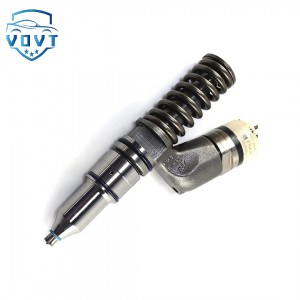
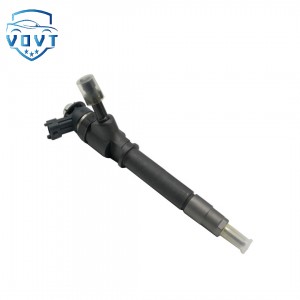
The injector nozzle is the final component in the fuel injection system responsible for delivering fuel directly into the combustion chamber. Its internal geometry, especially the design of the nozzle holes, has a significant impact on fuel atomization quality and spray uniformity.
Nozzle holes are typically manufactured with extremely small diameters and precise angles. The diameter determines the flow rate, while the length-to-diameter ratio influences flow stability and velocity. A carefully optimized hole geometry ensures that fuel exits at high velocity, promoting efficient breakup into fine droplets.
The inlet shape of the nozzle hole also affects spray performance. A sharp-edged inlet may increase turbulence and promote atomization, while a rounded inlet can reduce flow resistance and improve consistency. The internal surface finish of the hole plays a role as well; smoother surfaces reduce friction losses and help maintain stable flow.
Hole angle and orientation determine spray pattern distribution. Proper alignment ensures that fuel is evenly dispersed within the combustion chamber, avoiding wall wetting or localized rich zones. Uneven spray distribution can result in incomplete combustion, higher emissions, and reduced efficiency.
Modern nozzles often use multi-hole configurations to enhance spray coverage. By dividing the total fuel flow into several smaller jets, atomization improves and mixing with air becomes more effective. However, achieving uniform flow through each hole requires precise manufacturing and careful control of internal flow balance.
Cavitation inside the nozzle holes is another factor influencing atomization. Controlled cavitation can assist in breaking up the fuel stream, but excessive cavitation may cause erosion and reduce nozzle durability. Therefore, balancing cavitation intensity is an important design consideration.
Over time, deposits or wear may alter hole geometry, affecting spray characteristics. Regular maintenance and high-quality fuel help maintain optimal nozzle performance.
In conclusion, nozzle hole geometry is a key factor in determining atomization efficiency and spray uniformity. Precise design and manufacturing are essential for achieving stable combustion and improved engine performance.