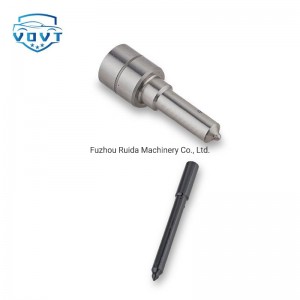
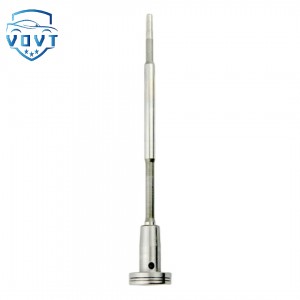
At the end of the diesel fuel system lies a component that determines how efficiently fuel turns into power—the injector. While the pump builds pressure, it is the injector that delivers fuel directly into the combustion chamber. This final step requires extreme accuracy, making the diesel injector one of the most critical parts of any engine.
A diesel injector’s main function is to atomize fuel into a fine mist and spray it into the cylinder at the exact right moment. This process ensures that fuel mixes properly with compressed air, allowing for complete and efficient combustion. The quality of atomization directly affects engine performance, fuel economy, and emission levels.
Modern diesel injectors are engineered for precision. Inside, components such as the nozzle, needle valve, and control piston operate within micron-level tolerances. Under high pressure—often exceeding 1,500 bar in common rail systems—the injector must open and close within milliseconds. Any delay, leakage, or blockage can result in incomplete combustion, leading to smoke, power loss, or increased fuel consumption.
There are different types of injectors used across diesel systems. Mechanical injectors, once standard, rely on simple spring pressure and fuel force. Today, electronic injectors dominate the market, especially in common rail systems. These advanced injectors are controlled by the engine control unit (ECU), allowing multiple injection events within a single cycle. This improves combustion efficiency and reduces noise and emissions.
Durability is another key factor. Diesel injectors operate in harsh conditions—high temperature, high pressure, and constant cycling. High-quality materials and precise manufacturing are essential to ensure long service life. However, even the best injectors require clean fuel. Contaminants such as dirt or water can damage internal components and disrupt spray patterns.
For workshops and distributors, understanding injector performance is essential for accurate diagnostics. Symptoms like rough idling, engine knocking, or excessive exhaust smoke often point to injector problems. Regular testing and maintenance can prevent costly engine damage and maintain optimal performance.
As diesel technology continues to evolve, injectors are becoming more advanced, more precise, and more efficient. Though small in size, they carry a huge responsibility—transforming fuel into controlled energy, one spray at a time.