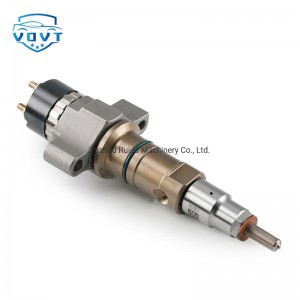
Injector nozzles are precision components that directly determine fuel spray behavior in modern engines. The consistency of injection performance among nozzles is strongly influenced by manufacturing processes. Even small process variations can lead to noticeable differences in spray characteristics and engine performance.
One critical manufacturing step is spray hole formation. Techniques such as mechanical drilling, electro-discharge machining, and laser drilling each produce different hole geometries and surface conditions. Variations in hole diameter, length, and inlet edge shape affect flow resistance and jet velocity. Inconsistent hole geometry leads to uneven fuel distribution and unstable spray patterns.
Surface finishing is another important factor. Rough internal surfaces increase flow friction and disturb fuel movement through the nozzle. This can cause variations in injection quantity and spray penetration. High-quality polishing and surface treatment help improve flow stability and reduce sensitivity to small dimensional differences.
Heat treatment processes also influence nozzle performance. Improper heat treatment may cause material distortion or residual stress, leading to slight deformation of the nozzle body or spray holes. These changes affect internal alignment and can alter needle seating behavior, reducing injection repeatability.
Assembly accuracy plays a key role in ensuring injection consistency. Misalignment between the nozzle and needle increases friction and affects needle motion. This may result in delayed opening or uneven closing behavior among nozzles within the same batch.
Quality control is essential throughout the manufacturing process. Dimensional inspection, flow testing, and spray pattern evaluation are commonly used to identify deviations. Consistent process control helps minimize variation and improve overall product reliability.
In summary, manufacturing processes have a significant impact on the injection consistency of injector nozzles. Careful control of machining, finishing, heat treatment, and assembly processes is essential for achieving stable and reliable spray performance in fuel injection systems.