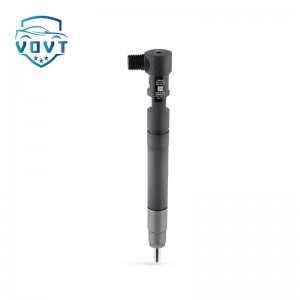
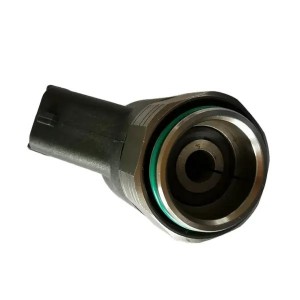
Diesel injector nozzles operate in one of the most demanding environments within an engine. Positioned directly at the combustion chamber interface, the nozzle is exposed to extremely high temperatures, rapid pressure fluctuations, and repeated thermal cycles. Managing thermal load is therefore essential for maintaining stable injection performance and component durability.
During engine operation, the injector nozzle is continuously subjected to heat from combustion gases. At the same time, high-pressure fuel flowing through the nozzle passages helps remove some of this heat. The balance between heat input and heat dissipation determines the operating temperature of the nozzle tip.
Excessive temperature can influence several aspects of nozzle performance. High thermal stress may cause slight expansion of the nozzle body, which can alter the clearance between the needle and the nozzle guide. Even very small dimensional changes may affect needle movement stability and injection accuracy.
Temperature also affects fuel properties inside the nozzle. As fuel temperature rises, viscosity decreases. Lower viscosity reduces flow resistance but may increase internal leakage in precision clearances. This change can influence injection pressure stability and spray consistency.
Material selection is critical for managing thermal stress. Injector nozzles are typically manufactured from high-strength alloy steels that maintain structural stability under high temperature conditions. Advanced heat treatment processes improve hardness and resistance to thermal fatigue.
The nozzle tip geometry is also designed to minimize heat accumulation. Efficient fuel flow through the internal passages contributes to cooling, while optimized external shape helps reduce direct exposure to hot combustion gases.
Carbon deposits may form when fuel residues are exposed to high temperature surfaces. Over time, these deposits can partially block spray holes and alter spray patterns. Proper fuel quality and periodic maintenance help reduce deposit formation.
In conclusion, thermal load management is an important factor in diesel injector nozzle design. Through careful material selection, structural optimization, and efficient fuel cooling, stable operation can be maintained even under extreme engine conditions.