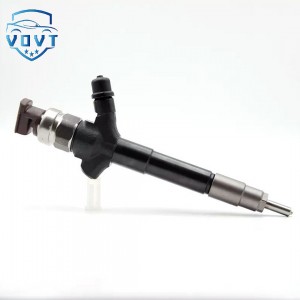
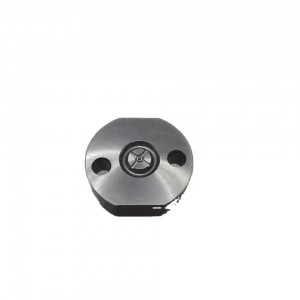
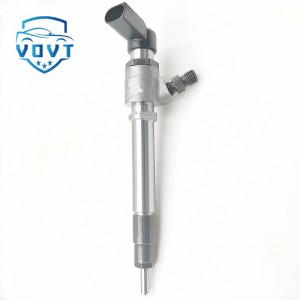
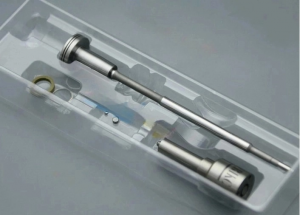
The diesel injector nozzle is manufactured with extremely high precision to ensure consistent spray performance and accurate fuel delivery. Among all structural features, the nozzle holes are the most critical elements influencing flow rate, atomization, and spray symmetry. Achieving uniformity across multiple holes requires advanced machining processes and strict quality control.
Nozzle holes are typically produced using electrical discharge machining (EDM) or laser drilling technologies. These methods allow the creation of very small diameter holes with precise angular orientation. The diameter tolerance is often controlled within micrometer levels, as even slight deviations can significantly affect fuel flow characteristics.
Hole geometry directly impacts flow coefficient and discharge efficiency. Parameters such as length-to-diameter ratio, inlet rounding radius, and surface roughness determine how smoothly fuel accelerates through the passage. Inconsistent internal surface quality may create turbulence variations between holes, leading to uneven spray distribution.
Flow consistency between holes is essential in multi-hole nozzle designs. If one hole delivers slightly more fuel than others, the spray pattern becomes asymmetric, potentially causing incomplete combustion or localized rich zones inside the combustion chamber. Therefore, manufacturers perform flow balancing tests to ensure uniform discharge characteristics.
Surface finishing processes help improve internal hole quality. Polishing or controlled cavitation finishing techniques can reduce micro-burrs and sharp edges formed during drilling. Improved surface smoothness enhances flow stability and reduces the risk of early erosion.
Dimensional inspection is conducted using high-magnification measurement equipment to verify hole diameter and alignment. Additionally, flow bench testing evaluates actual discharge performance under controlled pressure conditions. These combined quality checks ensure that each nozzle meets required performance standards.
Over long-term operation, erosion or deposit formation may alter hole geometry. This highlights the importance of material hardness and protective surface treatment in maintaining durability.
In conclusion, precision machining and strict flow consistency control are fundamental to the performance of diesel injector nozzles. High manufacturing accuracy ensures stable atomization, balanced spray patterns, and reliable combustion efficiency.