
Diesel Fuel Injection Pump VE6/12F1250R6003 0 470 006 003 2644P501(24V) Engine Auto Engine Part


products description
| Reference Code | 0 470 006 003 |
| MOQ | 1 PCS |
| Certification | ISO9001 |
| Place of Origin | China |
| Packaging | Neutral packing |
| Quality Control | 100% tested before shipment |
| Lead time | 7~15 working days |
| Payment | T/T, Western Union, Money Gram, Paypal, Alipay, Wechat |
Noise and Vibration Characteristics of Fuel Pumps and Mitigation Methods
Fuel pumps operate under high pressure and high rotational speed, which makes noise and vibration unavoidable during operation. Excessive noise not only affects vehicle comfort but can also indicate mechanical or hydraulic issues within the pump.
One major source of fuel pump noise is pressure pulsation generated by periodic pumping action. As fuel is compressed and released, pressure waves propagate through the pump housing and fuel lines. These pulsations can excite structural vibration, resulting in audible noise.
Mechanical contact between moving components is another important noise source. Gear meshing, vane sliding, and plunger motion generate vibration due to impact and friction. Manufacturing tolerances and wear increase clearance variation, which intensifies vibration and noise over time.
Hydraulic flow-induced noise also plays a significant role. Turbulent flow, cavitation, and sudden changes in flow direction create pressure fluctuations inside the pump. Cavitation, in particular, produces high-frequency noise and accelerates surface erosion, further degrading pump performance.
Operating conditions strongly influence noise behavior. High pressure and speed increase vibration amplitude, while low inlet pressure raises the risk of cavitation. Fuel properties such as viscosity and compressibility also affect noise characteristics.
To reduce noise and vibration, pump design focuses on improving structural stiffness and balancing rotating components. Optimized tooth profiles and smoother flow passages help reduce excitation forces. In addition, damping elements and isolators are often used to limit vibration transmission to the vehicle structure.
Control strategies can further improve acoustic performance. Adjusting pump operating conditions to match engine demand reduces unnecessary pressure pulsation. Regular maintenance and timely replacement of worn components help prevent noise-related issues.
In conclusion, noise and vibration are important aspects of fuel pump performance. Understanding their mechanisms and applying effective mitigation methods are essential for improving pump reliability and acoustic comfort.
Products categories
-
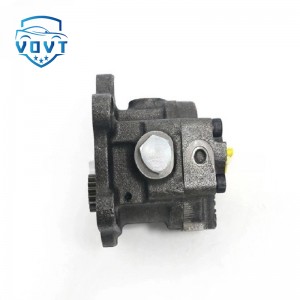
Fuel Pump 292-3751 2923751 for CAT Engine CAT S...
-

Diesel Fuel Injection Pump 0 445 020 045 044502...
-

Diesel Fuel Injection Pump BH4Q85R8 Engine Auto...
-

Diesel Fuel Injection Pump 0 460 406 056 VE6/10...
-
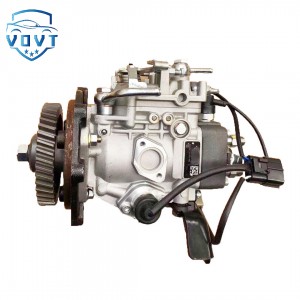
Diesel Injection VE Fuel Pump 104641-5680 Diese...
-

Common Rail Fuel Injection Pump A6510703301 for...


