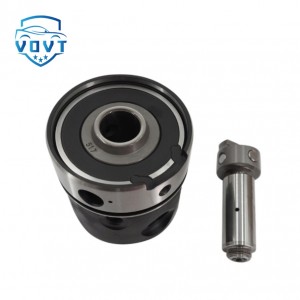
New Pressure Regulator Suction Pressure Valve Control Valve A6420780149 0 281 002 794 for Auto Spare Parts


Products Description
| Reference Codes | 0 281 002 794 |
| Application | / |
| MOQ | 12PCS |
| Certification | ISO9001 |
| Place of Origin | China |
| Packaging | Neutral packing |
| Quality Control | 100% tested before shipment |
| Lead time | 7~10 working days |
| Payment | T/T, L/C, Paypal, Western Union, MoneyGram or as your requirement |
Dynamic Pressure Regulation and Damping Function of Pressure Limiting Valves in Fuel Systems
A pressure limiting valve is an important component used in high-pressure fuel systems to control excessive pressure and maintain system stability. In addition to preventing overpressure, the valve also contributes to reducing pressure fluctuations that may occur during fuel pump operation.
In a high-pressure fuel system, pressure is generated by the fuel pump through cyclic compression. This process can produce temporary pressure spikes, especially when engine speed changes rapidly or when fuel demand varies suddenly. These fluctuations may affect the stability of the fuel injection process if not properly controlled.
The pressure limiting valve operates based on a balance between hydraulic force and spring preload. When system pressure remains within the normal range, the valve stays closed and allows the fuel system to maintain its target pressure. However, when pressure rises above the preset limit, the hydraulic force acting on the valve element increases and gradually pushes the valve open.
Once the valve opens, a portion of the fuel is released through the return channel. This release reduces the excessive pressure inside the fuel line and helps stabilize the overall system pressure. By allowing controlled pressure relief, the valve functions as a mechanical damping device.
The internal design of the valve influences its responsiveness and stability. The valve seat geometry, spring stiffness, and flow passage design must work together to ensure smooth opening and closing behavior. Sudden or unstable valve movement could introduce additional pressure oscillations instead of reducing them.
Durability is also an important design factor. Since the valve may open and close repeatedly during engine operation, its components must withstand continuous mechanical stress and maintain consistent performance over time.
Furthermore, the pressure limiting valve complements electronic fuel pressure control strategies. While electronic systems regulate pressure under normal conditions, the limiting valve provides an additional mechanical safeguard during abnormal pressure increases.
In conclusion, the pressure limiting valve not only protects fuel system components from excessive pressure but also contributes to stabilizing pressure fluctuations. Its precise mechanical response plays a key role in maintaining reliable and consistent fuel system performance.