
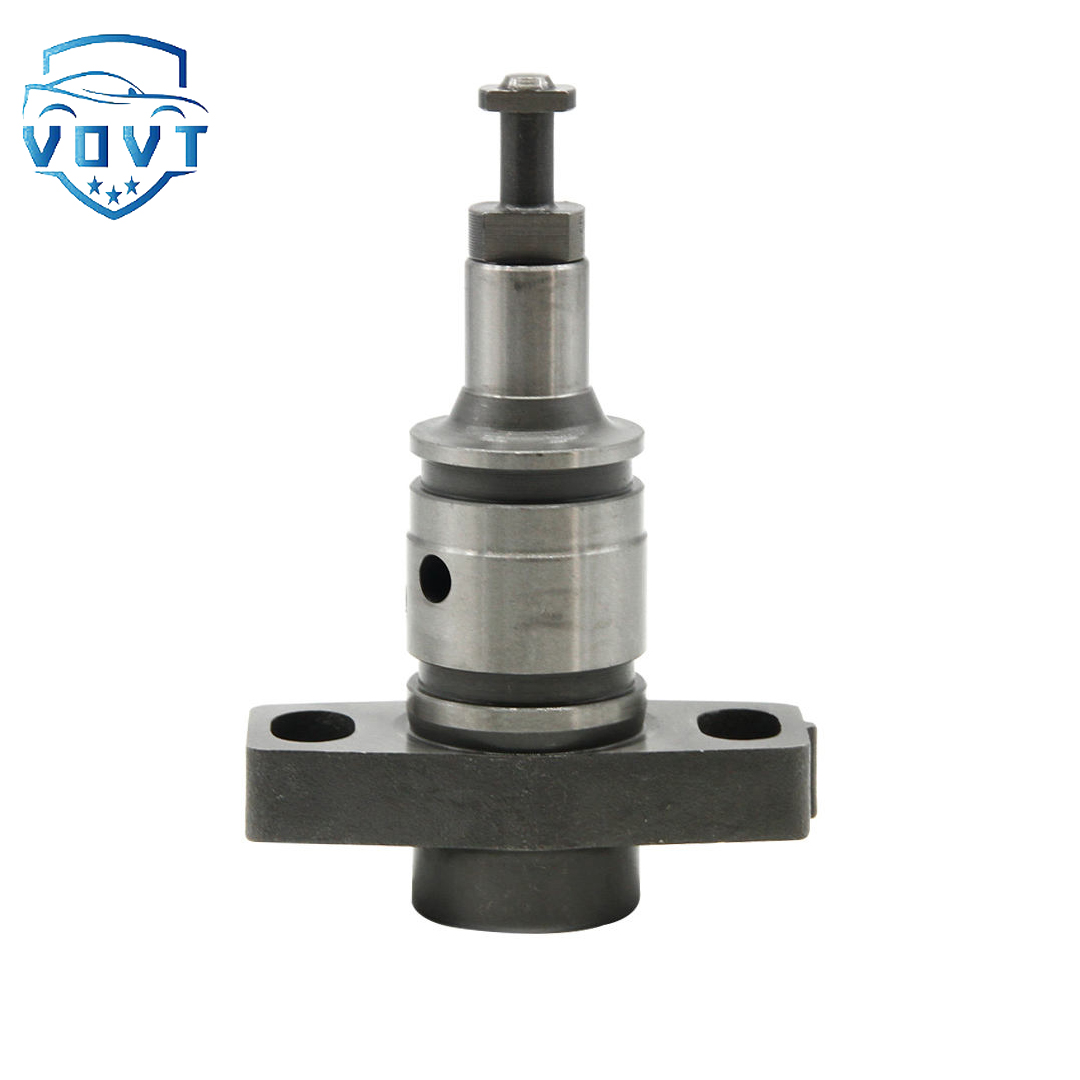
Made in China Fuel Injection Pump Plunger PW12 Pump Elements Engine Accessories


products description
| Reference. Codes | PW12 |
| OE/OEM Codes | / |
| Application | / |
| MOQ | 5 PCS |
| Certification | ISO9001 |
| Place of Origin | China |
| Packaging | Neutral packing |
| Quality Control | 100% tested before shipment |
| Lead time | 7~15 working days |
| Payment | T/T, Paypal, Western Union or as your requirement |
Influence of Plunger Surface Roughness Evolution on Lubrication Film Stability
In high-pressure fuel pumps, the plunger operates in close contact with the barrel, relying on a thin fuel film for lubrication and sealing. The stability of this lubrication film is strongly influenced by the surface roughness of the plunger. Although initial surface roughness is carefully controlled during manufacturing, it evolves over time under real operating conditions.
At the early stage of operation, controlled surface roughness helps retain fuel and supports the formation of a stable lubrication film. Microscopic surface valleys act as reservoirs that supply fuel during high-pressure motion. However, as the plunger undergoes repeated sliding and loading cycles, surface asperities gradually wear down or deform.
As surface roughness decreases, the ability of the surface to retain fuel is reduced. This can lead to thinning of the lubrication film, increasing the risk of metal-to-metal contact. In contrast, localized roughness increase caused by abrasion or particle contamination may disrupt the uniformity of the fuel film, resulting in unstable lubrication conditions.
The evolution of surface roughness also affects friction characteristics. Changes in roughness modify the shear behavior of the fuel film, influencing plunger motion resistance. Increased friction leads to higher energy loss and local temperature rise, further affecting surface condition and lubrication performance.
Operating parameters such as pressure, speed, and fuel viscosity play an important role in roughness evolution. High pressure accelerates surface smoothing, while low-viscosity fuel reduces film thickness and makes the surface more sensitive to roughness changes. Contaminants in fuel can cause micro-scratching, creating uneven roughness patterns.
To manage surface roughness evolution, plunger manufacturing processes focus on achieving optimal initial roughness and surface texture. Precision grinding, polishing, and surface finishing techniques are used to control roughness distribution. In addition, surface treatments such as hardening or coating help slow down roughness changes and maintain lubrication stability.
In summary, surface roughness evolution of plungers has a significant impact on lubrication film stability and long-term pump performance. Understanding and controlling roughness behavior is essential for ensuring reliable operation and extended service life of high-pressure fuel pumps.
Products categories
-

Diesel Fuel Pump Plunger 0941500618 For Excavator
-
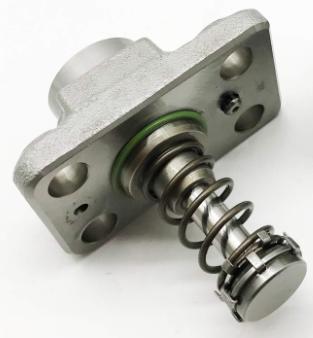
Fuel Pump Plunger F01M100869 For Bosch CP1 Fuel...
-

Best Selling New Diesel Pump Plunger P388 Plung...
-

Brand New Diesel Fuel Injection Pump Plunger &#...
-

China Made New Diesel Pump Plunger A161 Plunger...
-

China Top New Diesel Pump Plunger 090150-7653 P...
-

China Top New Diesel Pump Plunger 2 418 455 542...
-
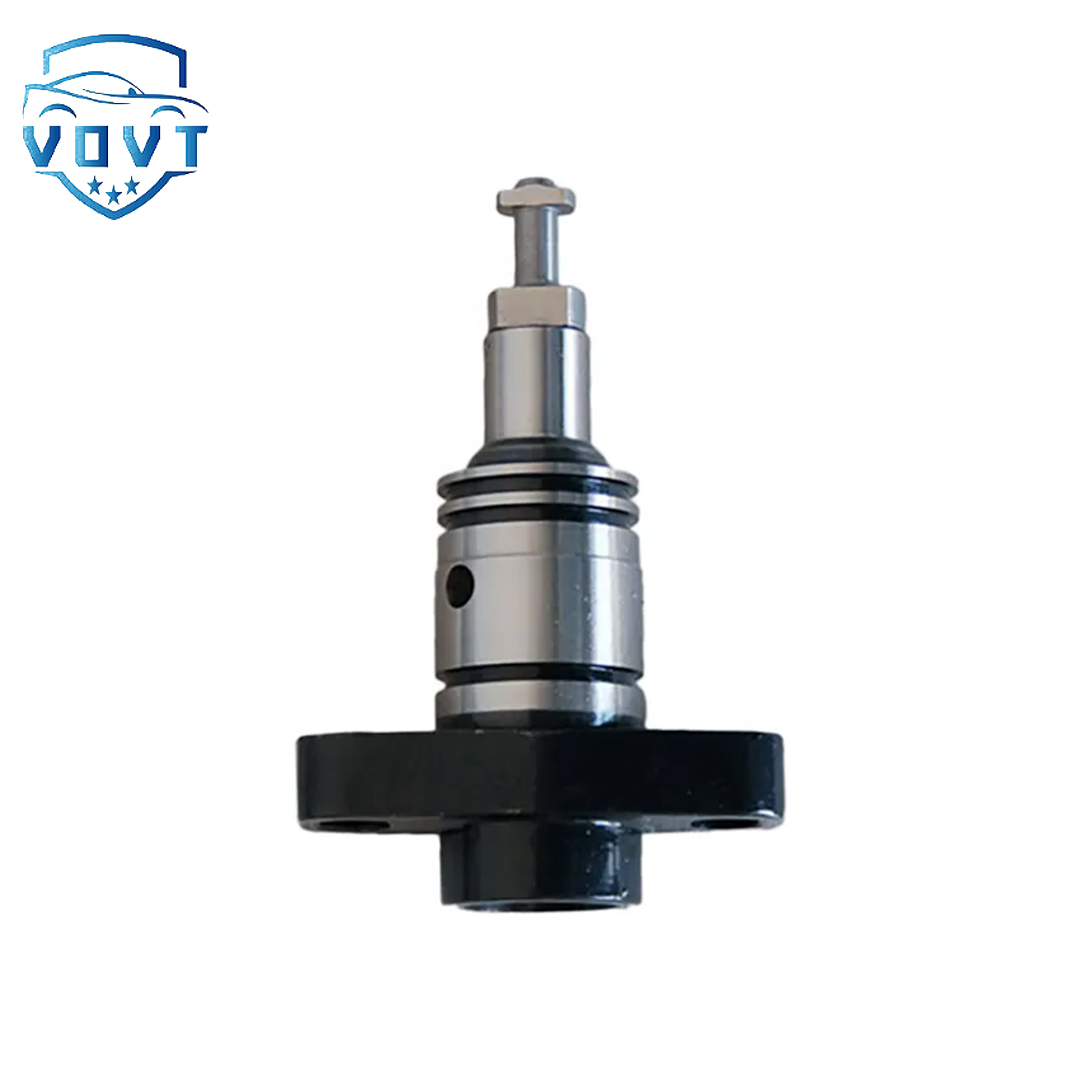
China Top New Diesel Pump Plunger PH9 Plunger B...
-
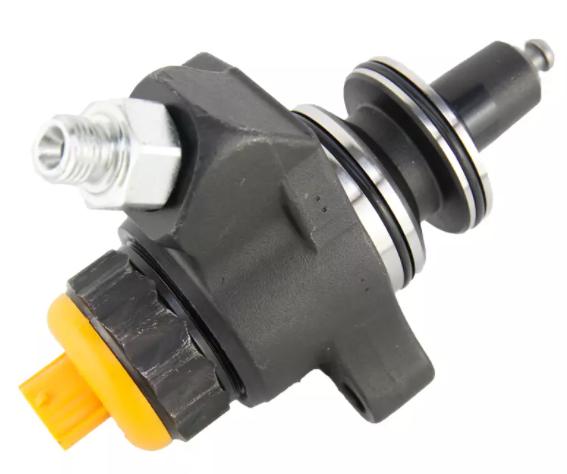
Common Rail Fuel Injection Pump Plunger 094150-...
-

Common Rail Injection Pump Plunger 094150-0330 ...
-
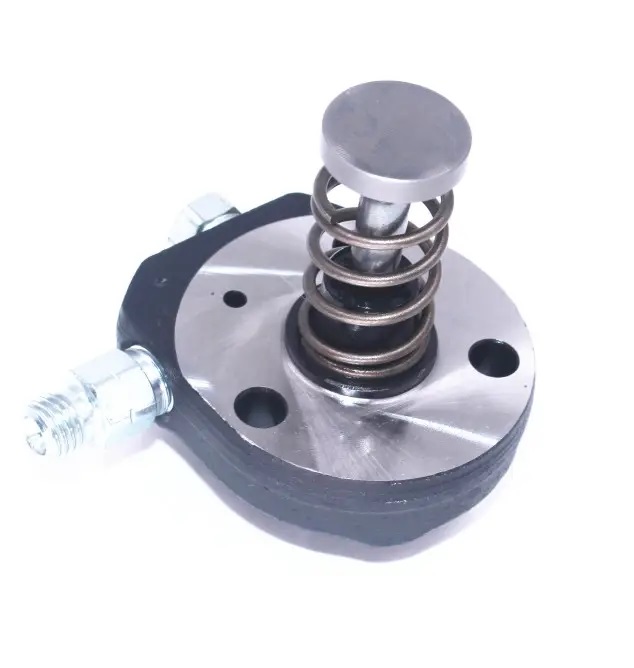
Common Rail Pump Plunger 294090-0080 294090-009...
-
Diesel Fuel Injection Pump Element Plunger 0901...
-
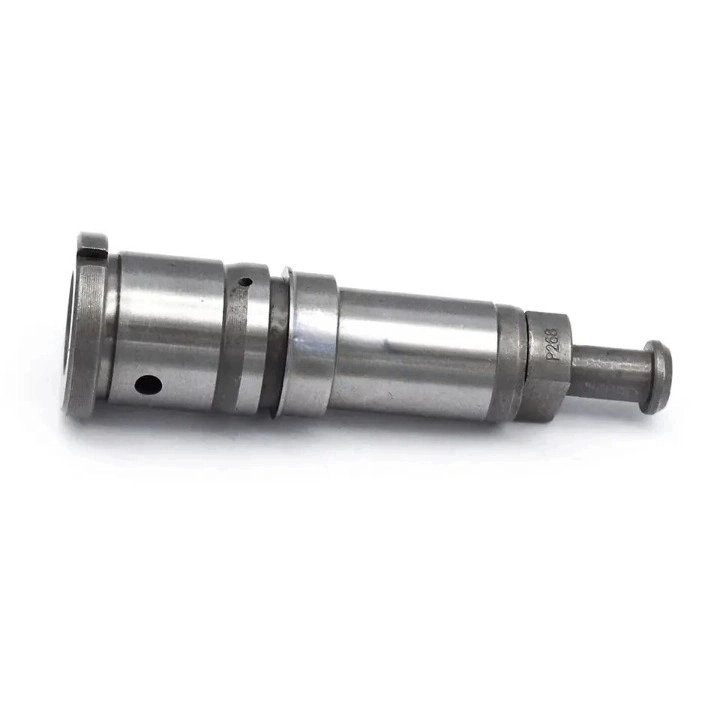
Diesel Fuel Pump Plunger 2418441001 for BENZ OM422
-
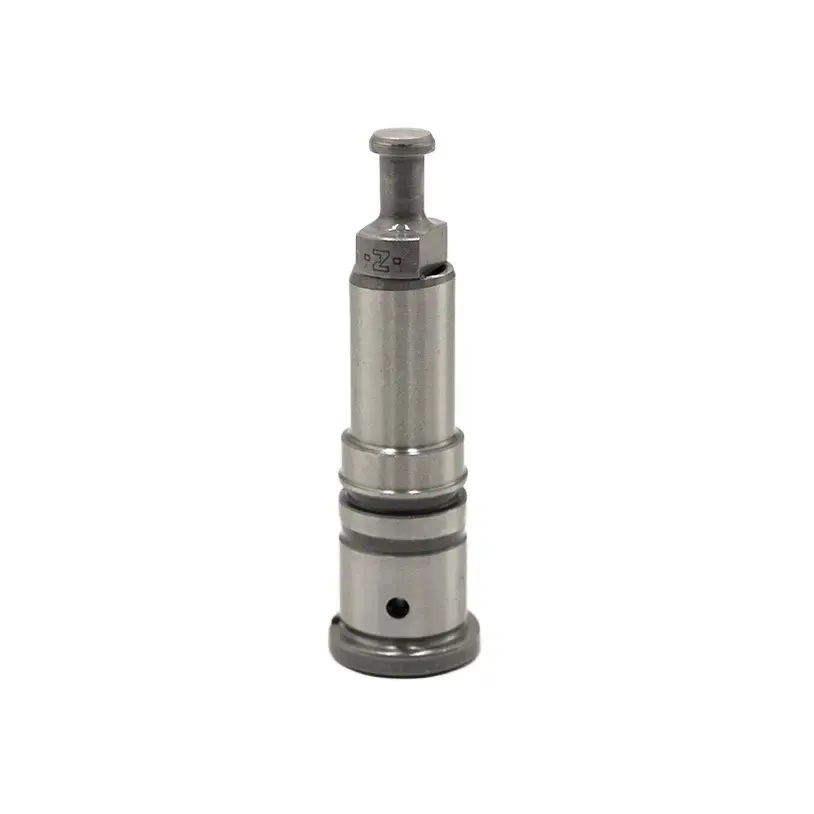
Diesel Injection Pump Plunger 2455-429
-

Diesel Pump Plunger PB202 For ASIMCO
-
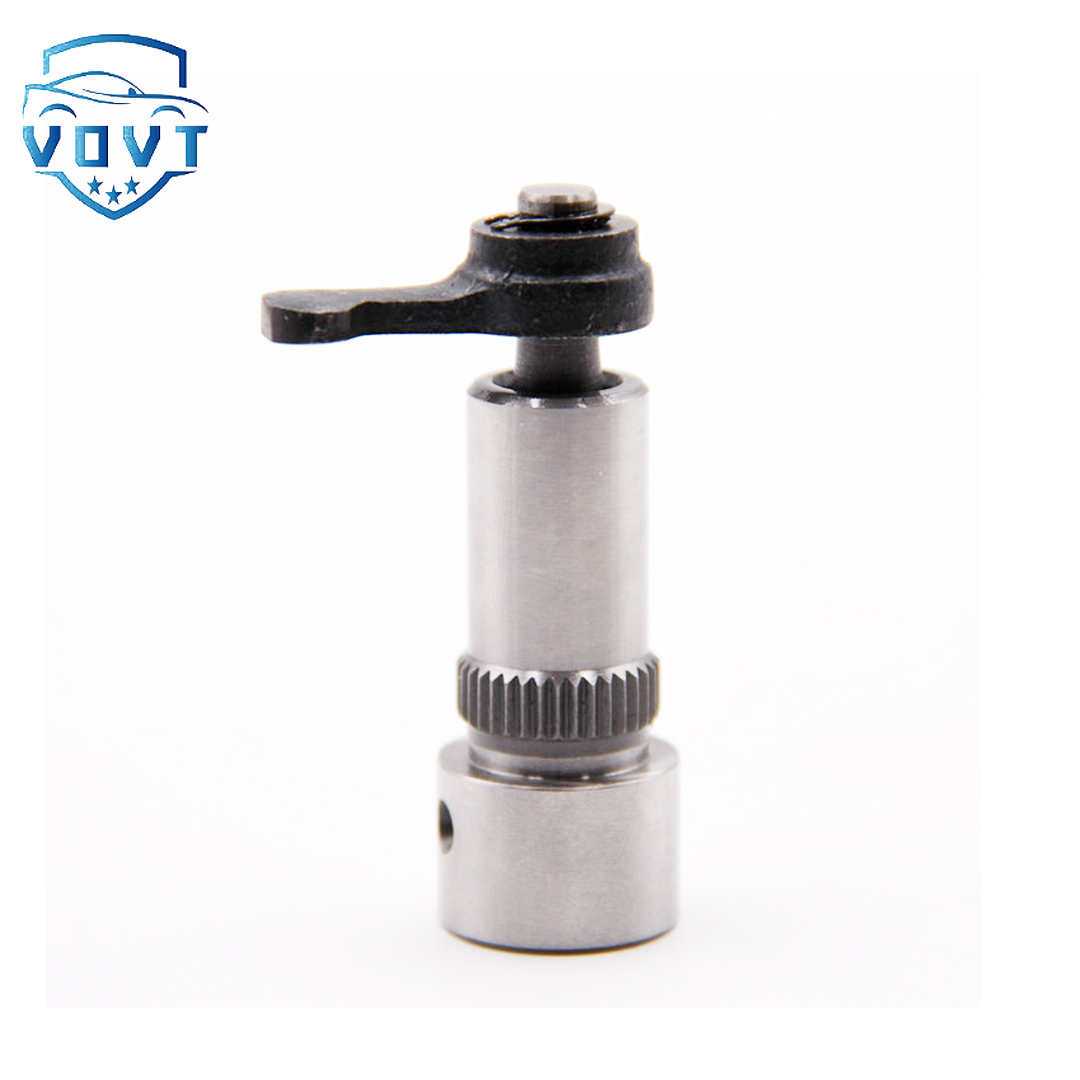
Factory Direct Sales New Diesel Pump Plunger 51...


