
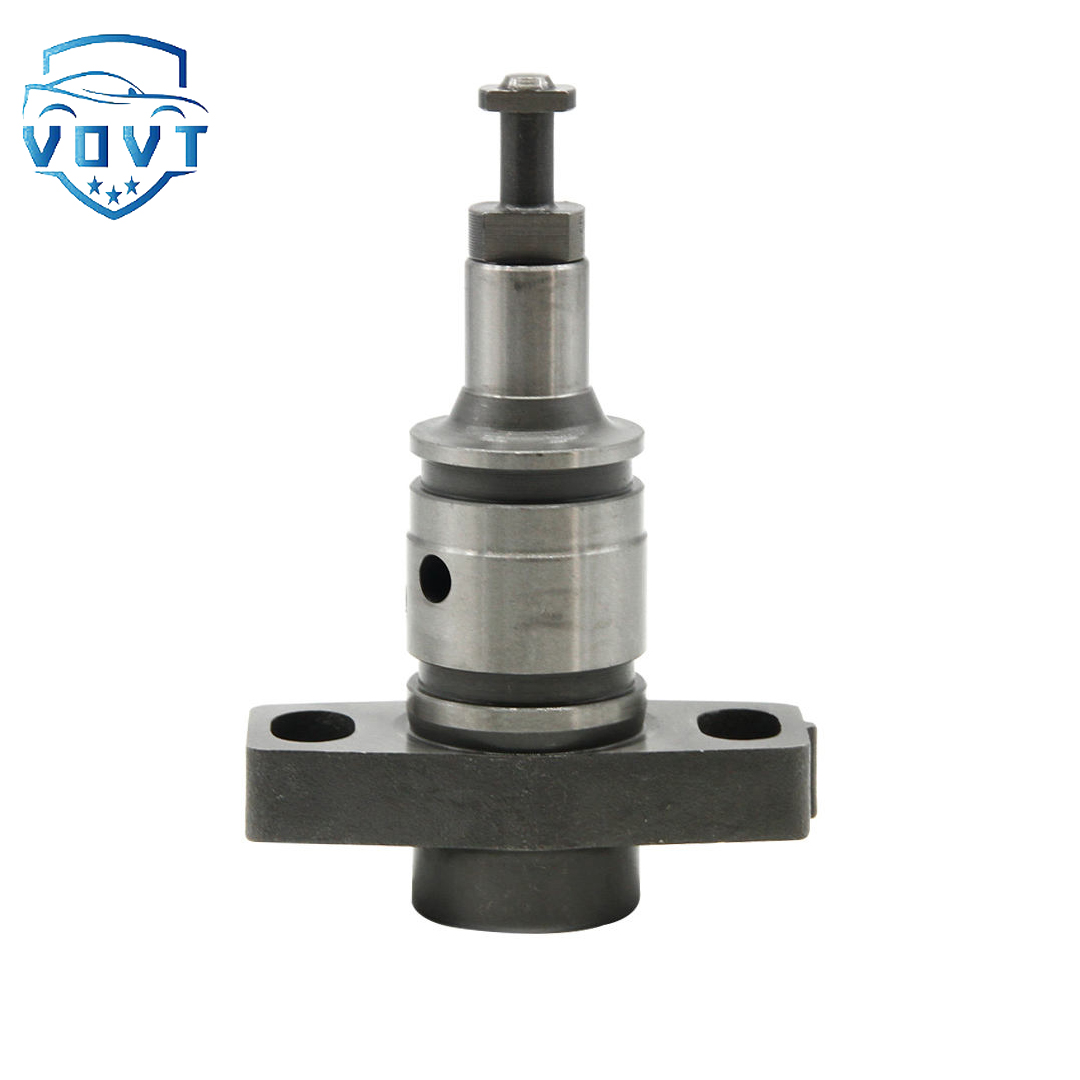
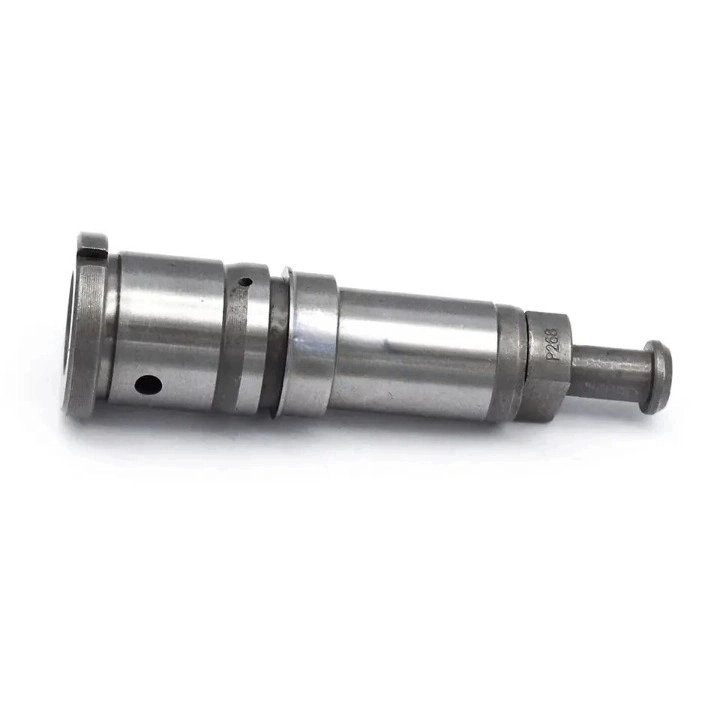
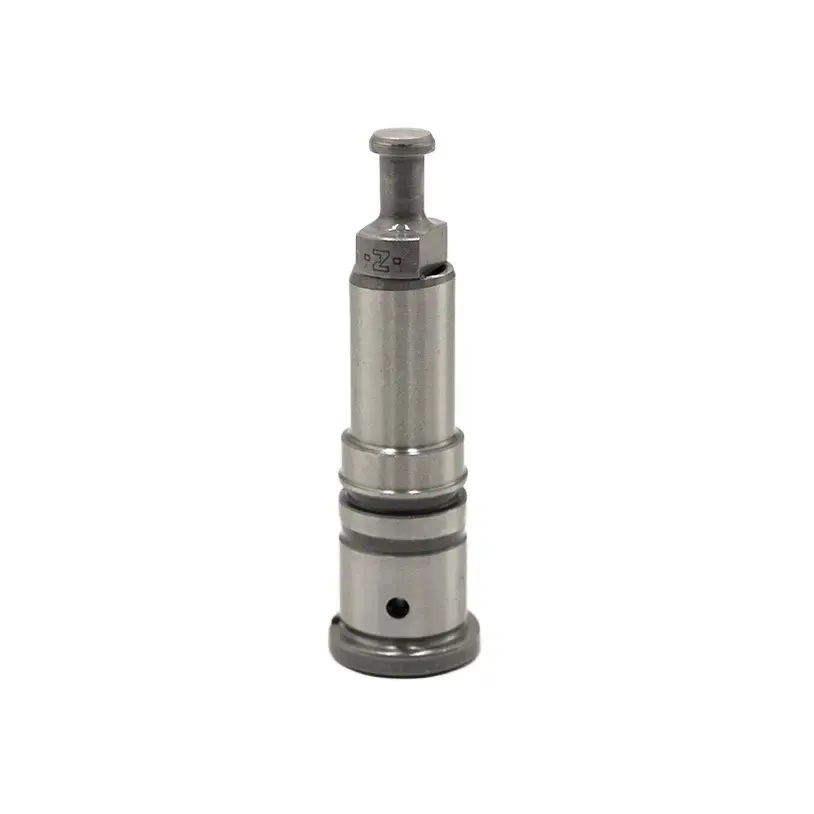
Made in China Fuel Injection Pump Plunger K49 Pump Elements Engine Accessories


products description
| Reference. Codes | K49 |
| OE/OEM Codes | / |
| Application | / |
| MOQ | 5 PCS |
| Certification | ISO9001 |
| Place of Origin | China |
| Packaging | Neutral packing |
| Quality Control | 100% tested before shipment |
| Lead time | 7~15 working days |
| Payment | T/T, Paypal, Western Union or as your requirement |
Error Propagation Mechanism and Quality Control in Matched Lapping Process of Plunger Pairs
Plunger pairs are key precision components in high-pressure fuel injection and hydraulic systems, where their clearance and surface quality directly determine sealing performance, volumetric efficiency, and service life. The matched lapping process is widely adopted to achieve ultra-small clearances and high surface conformity between the plunger and barrel. However, dimensional and geometric errors generated in earlier manufacturing stages may propagate during lapping, significantly affecting final product consistency. This study investigates the error propagation mechanism in the matched lapping process of plunger pairs and proposes effective quality control strategies.
During matched lapping, the plunger and barrel are processed as a functional pair, allowing surface asperities to be mutually corrected through controlled material removal. Nevertheless, initial errors such as roundness deviation, taper, and coaxial misalignment are not eliminated uniformly. Instead, these errors may be selectively amplified or transferred depending on contact pressure distribution, abrasive particle size, and relative motion trajectory. Simulation analysis indicates that axial taper errors tend to dominate clearance distribution after lapping, while roundness errors mainly influence local contact stress and wear initiation.
Experimental lapping tests are conducted using plunger pairs with predefined geometric deviations. Measurement results show that excessive initial taper leads to non-uniform clearance along the axial direction, resulting in localized leakage and reduced sealing stability. Moreover, eccentricity between the plunger and barrel causes asymmetric material removal, accelerating surface fatigue under high-pressure operation. These findings confirm that error propagation during lapping is strongly dependent on the initial matching quality of the plunger pair.
To address these issues, a multi-stage quality control approach is proposed. First, pre-lapping dimensional screening is introduced to limit critical geometric deviations within a controlled range. Second, adaptive lapping parameters, including pressure and abrasive concentration, are applied to compensate for specific error types. Finally, post-lapping inspection using high-precision roundness and clearance measurement ensures consistency among finished plunger pairs.
The results demonstrate that understanding error propagation behavior is essential for optimizing the matched lapping process. By integrating process control with targeted inspection strategies, the dimensional consistency and operational reliability of plunger pairs can be significantly improved. This study provides practical guidance for high-precision manufacturing of plunger components used in modern high-pressure fuel systems.
Products categories
-

Diesel Fuel Pump Plunger 0941500618 For Excavator
-
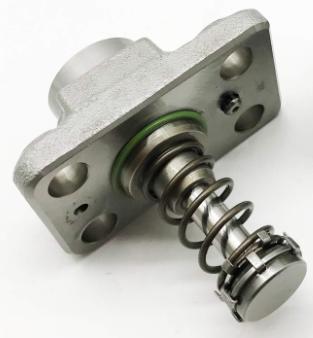
Fuel Pump Plunger F01M100869 For Bosch CP1 Fuel...
-

Best Selling New Diesel Pump Plunger P388 Plung...
-

Brand New Diesel Fuel Injection Pump Plunger &#...
-

China Made New Diesel Pump Plunger A161 Plunger...
-

China Top New Diesel Pump Plunger 090150-7653 P...
-

China Top New Diesel Pump Plunger 2 418 455 542...
-
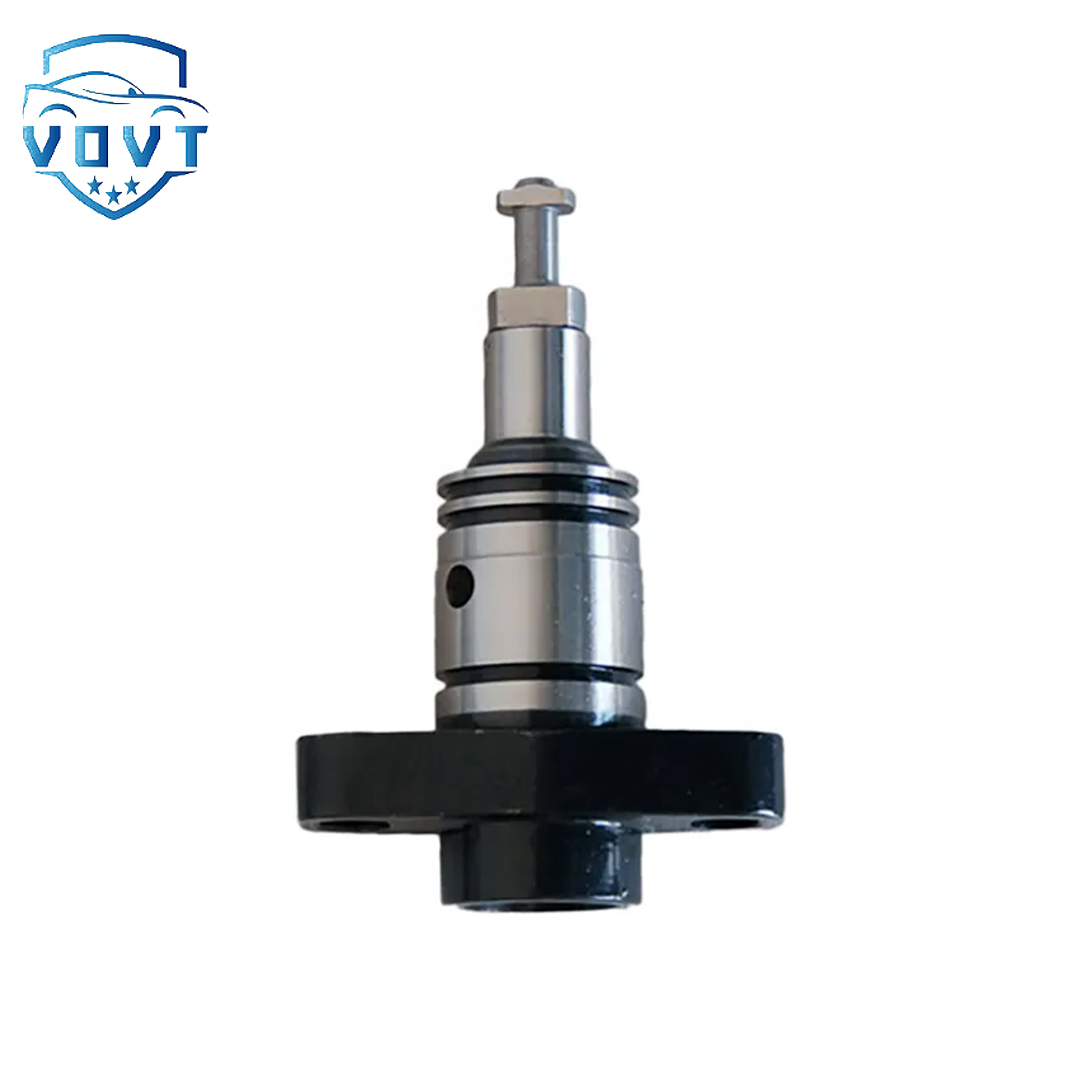
China Top New Diesel Pump Plunger PH9 Plunger B...
-
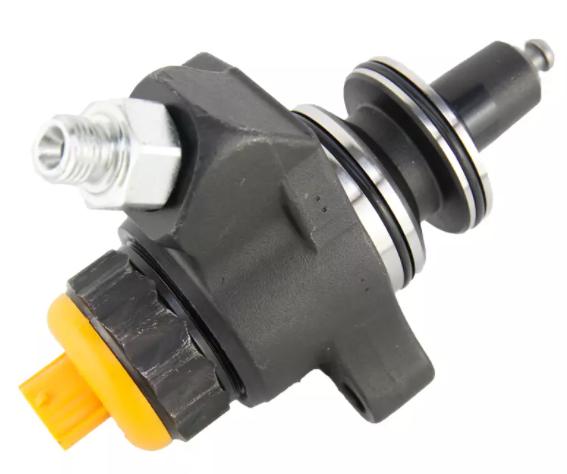
Common Rail Fuel Injection Pump Plunger 094150-...
-

Common Rail Injection Pump Plunger 094150-0330 ...
-
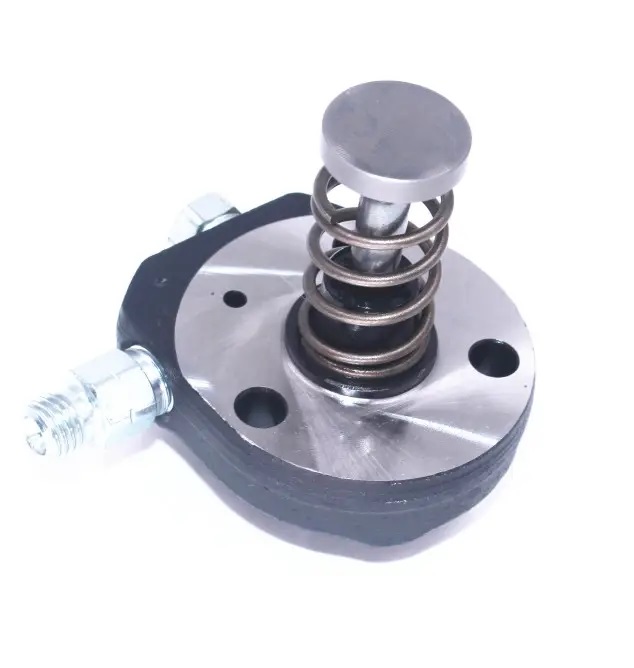
Common Rail Pump Plunger 294090-0080 294090-009...
-
Diesel Fuel Injection Pump Element Plunger 0901...
-
Diesel Fuel Pump Plunger 2418441001 for BENZ OM422
-
Diesel Injection Pump Plunger 2455-429
-

Diesel Pump Plunger PB202 For ASIMCO
-
Factory Direct Sales New Diesel Pump Plunger 51...


