
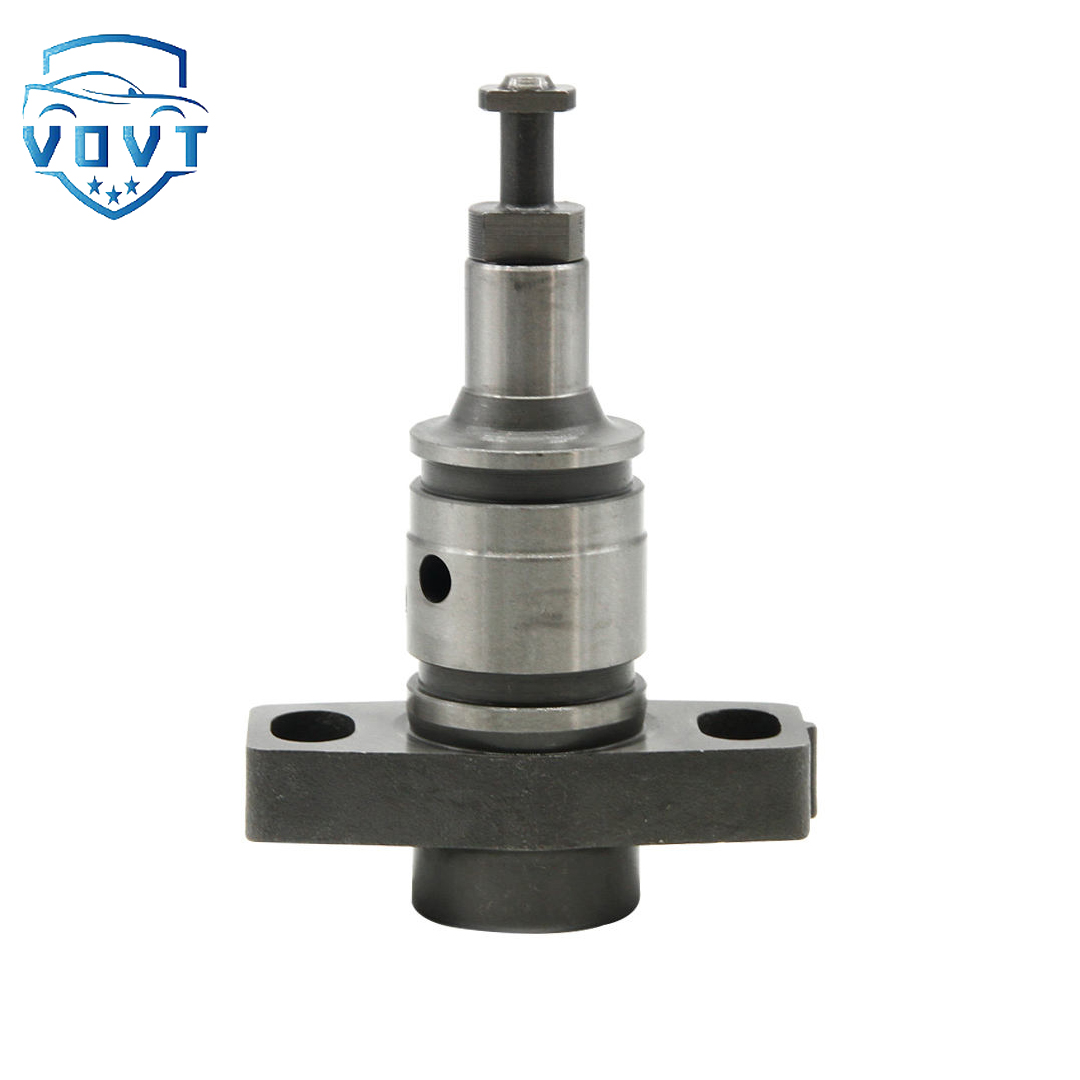
Made in China Fuel Injection Pump Plunger HP4 094050-0940 Pump Elements Engine Accessories


products description
| Reference. Codes | 094050-0940 |
| OE/OEM Codes | / |
| Application | / |
| MOQ | 5 PCS |
| Certification | ISO9001 |
| Place of Origin | China |
| Packaging | Neutral packing |
| Quality Control | 100% tested before shipment |
| Lead time | 7~15 working days |
| Payment | T/T, Paypal, Western Union or as your requirement |
Micro-Deformation Behavior of Fuel Pump Plungers Under High-Pressure Cyclic Loading
Plungers are key components in high-pressure fuel pumps, responsible for generating and maintaining the pressure required for accurate fuel delivery. During operation, plungers are subjected to repeated high-pressure cyclic loads, which cause subtle elastic and plastic deformation. Although these deformations are microscopic, they have a direct impact on sealing performance and long-term reliability.
Under each pumping cycle, the plunger experiences rapid pressure rise and release. This cyclic loading leads to elastic deformation of the plunger body, especially near high-stress regions such as the sealing zone and pressure chamber interface. Even small changes in diameter or roundness can influence the fuel film thickness between the plunger and barrel.
Micro-deformation affects sealing stability by altering the contact condition between mating surfaces. When deformation causes local clearance variation, fuel leakage may increase temporarily during high-pressure phases. Over time, repeated deformation can contribute to uneven wear patterns, further amplifying leakage and reducing volumetric efficiency.
Temperature also plays an important role in plunger deformation behavior. High-pressure fuel compression generates heat, causing thermal expansion of the plunger. Combined with mechanical stress, thermal effects may lead to asymmetric deformation, particularly in long plungers or those operating at high engine speeds. This can disturb the uniformity of the lubrication film and accelerate surface fatigue.
Material properties strongly influence deformation resistance. High-strength alloy steels with optimized heat treatment are commonly used to improve elastic recovery and reduce permanent deformation. Surface treatments such as hardening or coating help maintain dimensional stability by increasing surface stiffness and wear resistance.
To evaluate micro-deformation behavior, advanced measurement and simulation methods are increasingly applied. Finite element analysis allows engineers to predict stress distribution and deformation trends, while precision measurement techniques help validate design assumptions through experimental data.
In conclusion, micro-deformation of plungers under high-pressure cyclic loading is a critical factor affecting sealing stability and service life. Proper material selection, structural design, and thermal management are essential to control deformation and ensure consistent pump performance over extended operation.
Products categories
-

Diesel Fuel Pump Plunger 0941500618 For Excavator
-
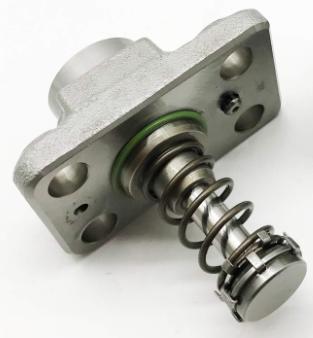
Fuel Pump Plunger F01M100869 For Bosch CP1 Fuel...
-

Best Selling New Diesel Pump Plunger P388 Plung...
-

Brand New Diesel Fuel Injection Pump Plunger &#...
-

China Made New Diesel Pump Plunger A161 Plunger...
-

China Top New Diesel Pump Plunger 090150-7653 P...
-

China Top New Diesel Pump Plunger 2 418 455 542...
-
China Top New Diesel Pump Plunger PH9 Plunger B...
-
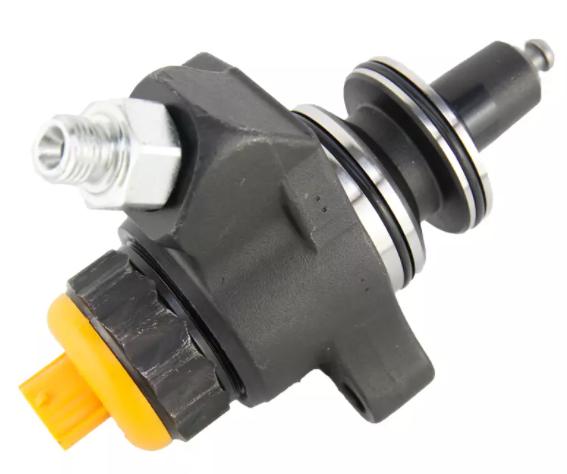
Common Rail Fuel Injection Pump Plunger 094150-...
-

Common Rail Injection Pump Plunger 094150-0330 ...
-
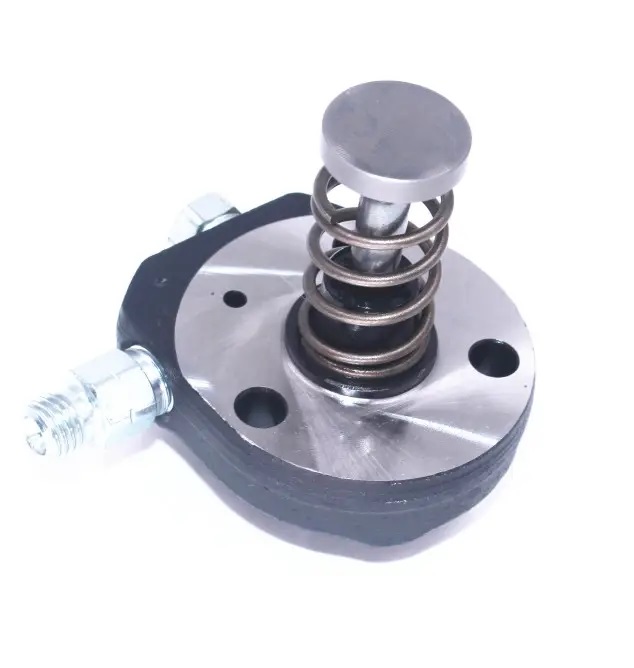
Common Rail Pump Plunger 294090-0080 294090-009...
-
Diesel Fuel Injection Pump Element Plunger 0901...
-
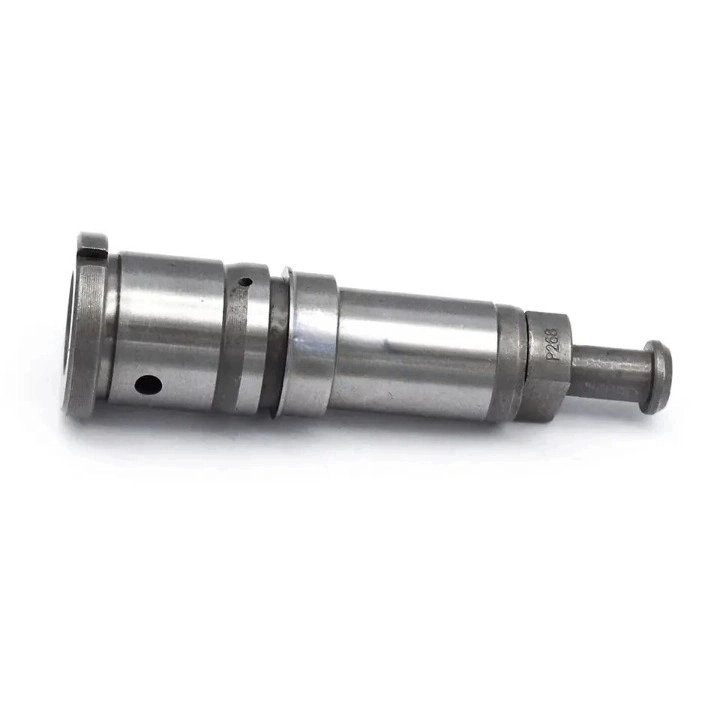
Diesel Fuel Pump Plunger 2418441001 for BENZ OM422
-
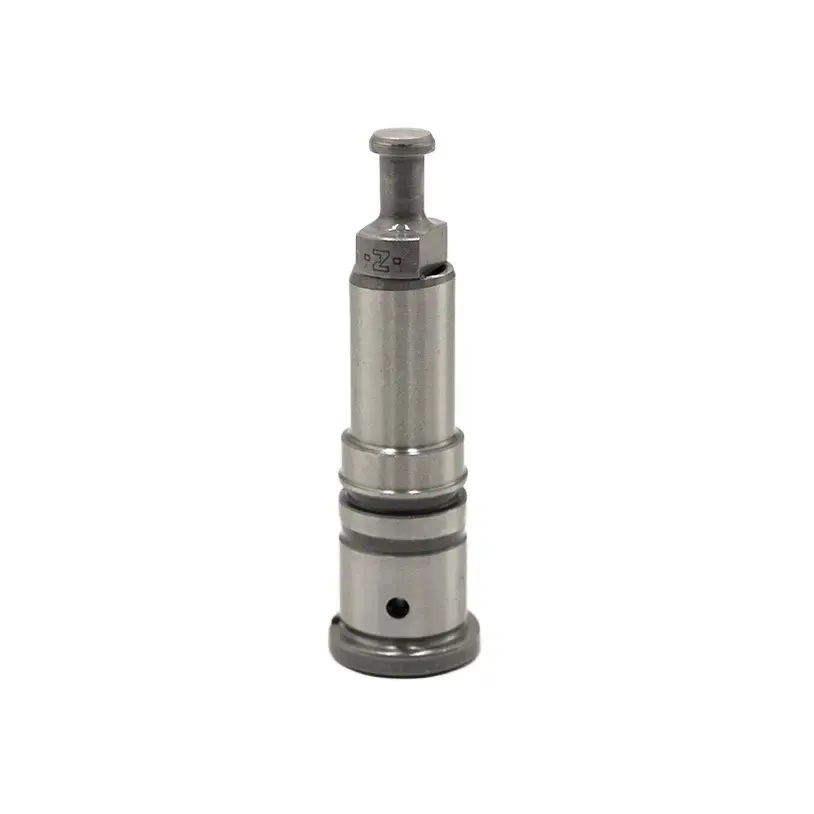
Diesel Injection Pump Plunger 2455-429
-

Diesel Pump Plunger PB202 For ASIMCO
-
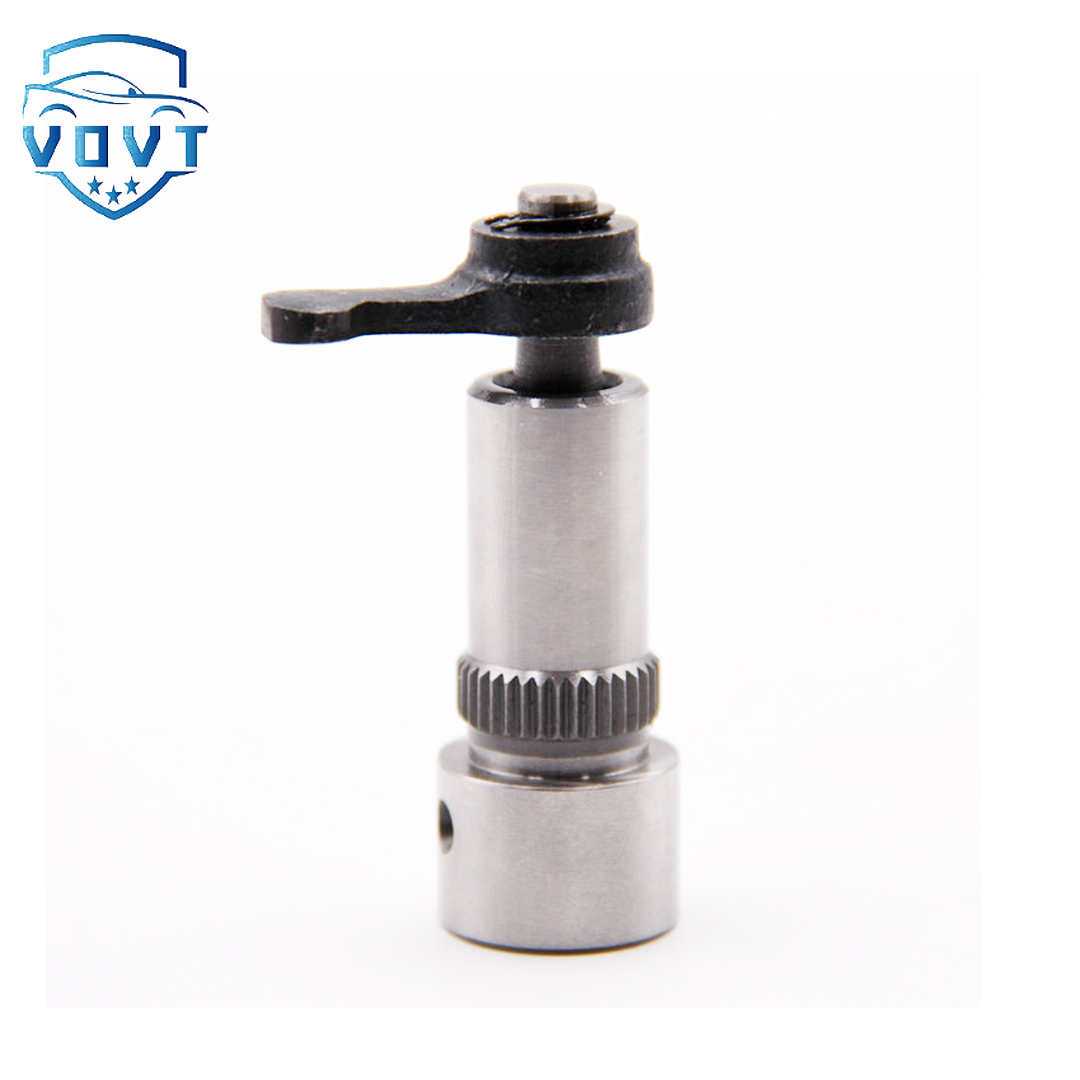
Factory Direct Sales New Diesel Pump Plunger 51...


