
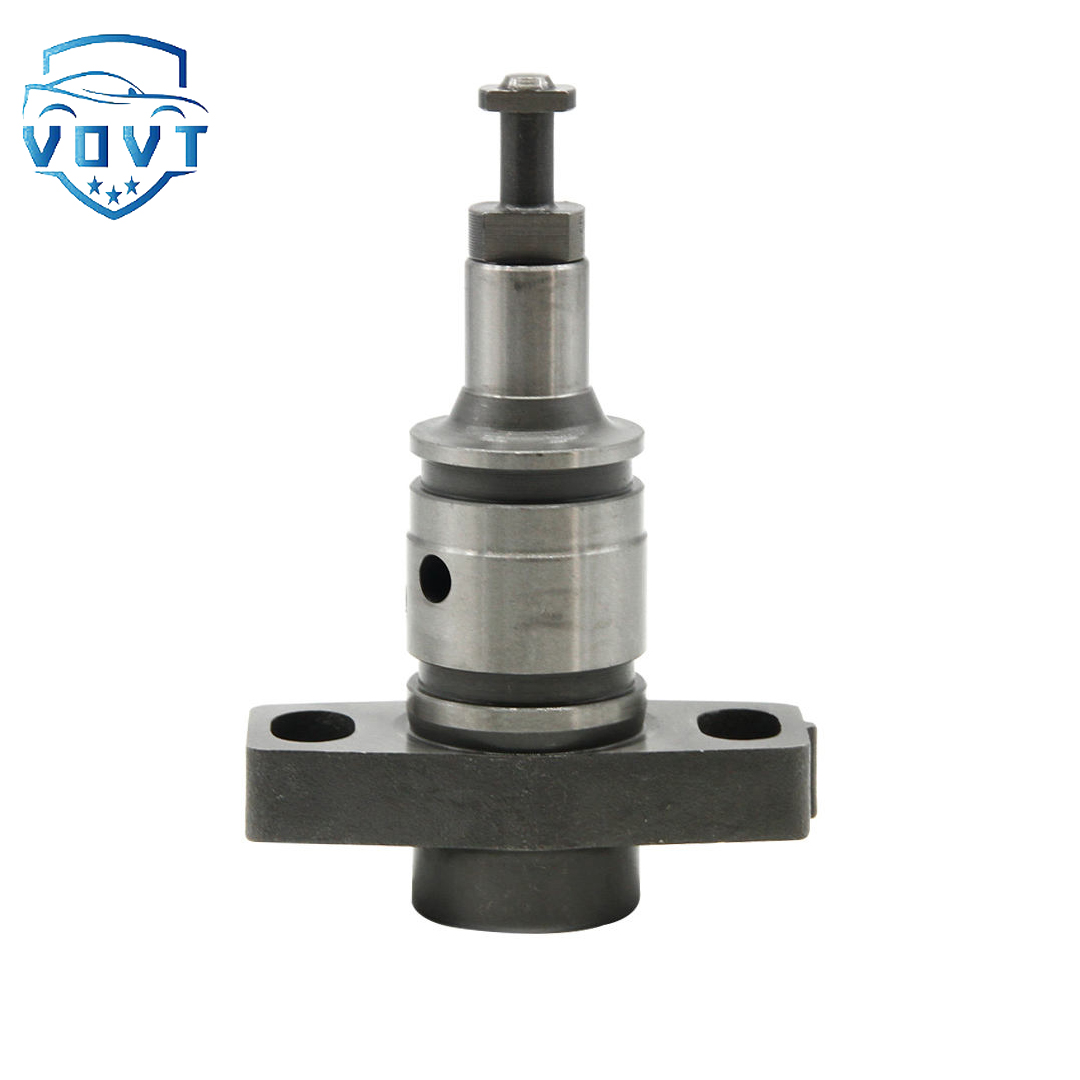
Made in China Fuel Injection Pump Plunger for S60H PJ-60 PS400A Pump Elements Engine Accessories


products description
| Reference. Codes | S60H PJ-60 PS400A |
| OE/OEM Codes | / |
| Application | / |
| MOQ | 5 PCS |
| Certification | ISO9001 |
| Place of Origin | China |
| Packaging | Neutral packing |
| Quality Control | 100% tested before shipment |
| Lead time | 7~15 working days |
| Payment | T/T, Paypal, Western Union or as your requirement |
Influence of Surface Nitriding Parameters on Wear–Fatigue Interaction of Plunger Components
Plunger components in high-pressure fuel and hydraulic systems are subjected not only to severe sliding wear but also to cyclic contact stress, which often leads to coupled wear–fatigue failure. Surface nitriding is widely used to enhance plunger durability; however, improper selection of nitriding parameters may introduce brittle phases or residual stresses that negatively affect long-term reliability. Therefore, understanding how nitriding process parameters influence the wear–fatigue interaction behavior of plungers is essential for achieving optimal surface performance.
This study investigates the effects of nitriding temperature, nitrogen diffusion depth, and post-treatment cooling rate on the fatigue-assisted wear behavior of plunger surfaces. Plasma nitriding was applied to medium-alloy steel plungers under various process conditions. The treated surfaces were examined using scanning electron microscopy and residual stress analysis, while rolling–sliding contact tests were conducted to simulate realistic operating conditions involving both wear and cyclic loading.
Results indicate that nitriding temperature strongly affects residual stress distribution within the surface layer. Moderate nitriding temperatures generated beneficial compressive residual stresses in the diffusion zone, which effectively delayed crack initiation during cyclic loading. These compressive stresses also suppressed micro-crack propagation induced by surface wear, thereby improving overall fatigue life. In contrast, excessively high temperatures promoted the formation of coarse nitride networks, leading to stress concentration and early crack formation under repeated contact.
The depth of nitrogen diffusion was found to be critical in balancing surface hardness and subsurface toughness. A sufficiently thick diffusion layer provided enhanced load support and reduced subsurface plastic deformation, resulting in lower wear rates under combined sliding and rolling conditions. However, insufficient diffusion depth caused rapid hardness degradation during service, accelerating fatigue damage at the interface between the nitrided layer and the substrate.
Post-nitriding cooling rate also influenced wear–fatigue performance. Controlled slow cooling reduced thermal stress gradients and improved microstructural stability, while rapid cooling increased the likelihood of surface micro-cracking. Wear track observations confirmed that optimized cooling conditions resulted in smoother wear scars and delayed spalling failure.
In summary, the durability of nitrided plunger surfaces depends not only on surface hardness but also on residual stress state and diffusion layer integrity. By carefully optimizing nitriding temperature, diffusion depth, and cooling strategy, the wear–fatigue resistance of plungers can be significantly improved. These findings provide valuable insight for designing nitriding processes aimed at extending the service life of high-load plunger components in advanced mechanical systems.
Products categories
-

Diesel Fuel Pump Plunger 0941500618 For Excavator
-
Fuel Pump Plunger F01M100869 For Bosch CP1 Fuel...
-

Best Selling New Diesel Pump Plunger P388 Plung...
-

Brand New Diesel Fuel Injection Pump Plunger &#...
-

China Made New Diesel Pump Plunger A161 Plunger...
-

China Top New Diesel Pump Plunger 090150-7653 P...
-

China Top New Diesel Pump Plunger 2 418 455 542...
-
China Top New Diesel Pump Plunger PH9 Plunger B...
-
Common Rail Fuel Injection Pump Plunger 094150-...
-

Common Rail Injection Pump Plunger 094150-0330 ...
-
Common Rail Pump Plunger 294090-0080 294090-009...
-
Diesel Fuel Injection Pump Element Plunger 0901...
-
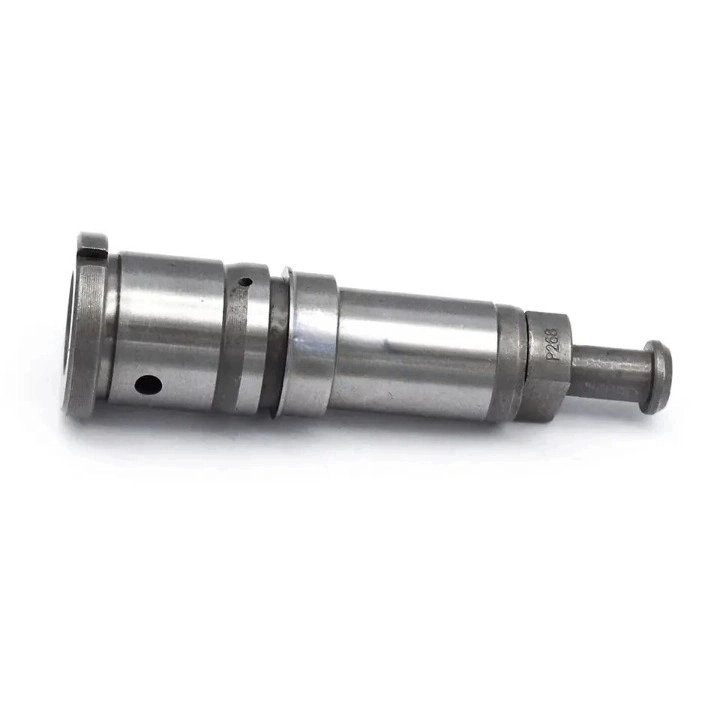
Diesel Fuel Pump Plunger 2418441001 for BENZ OM422
-
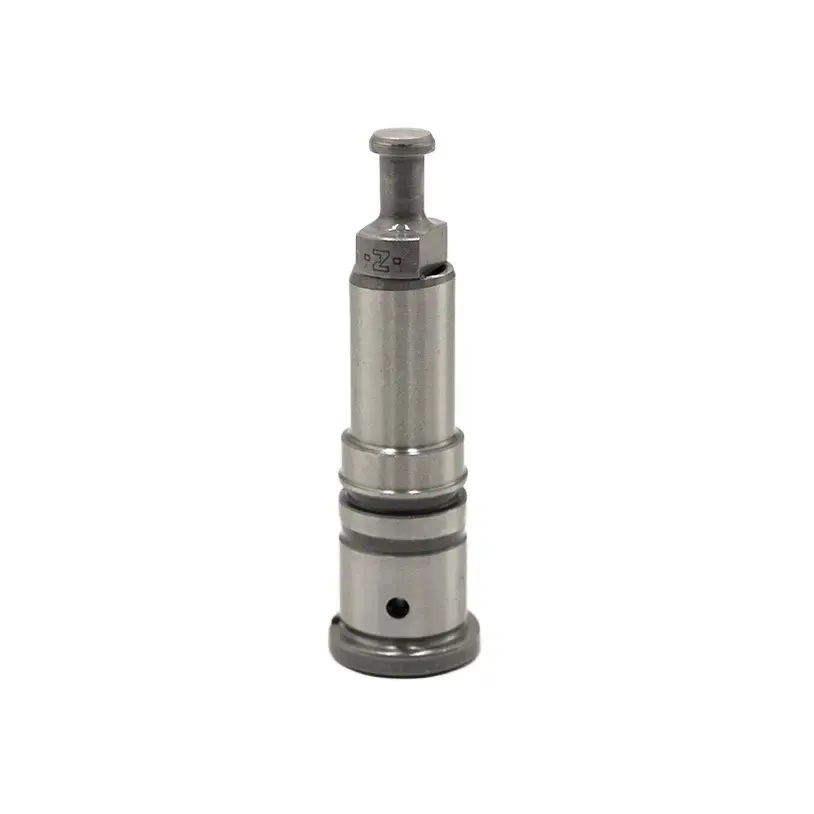
Diesel Injection Pump Plunger 2455-429
-

Diesel Pump Plunger PB202 For ASIMCO
-
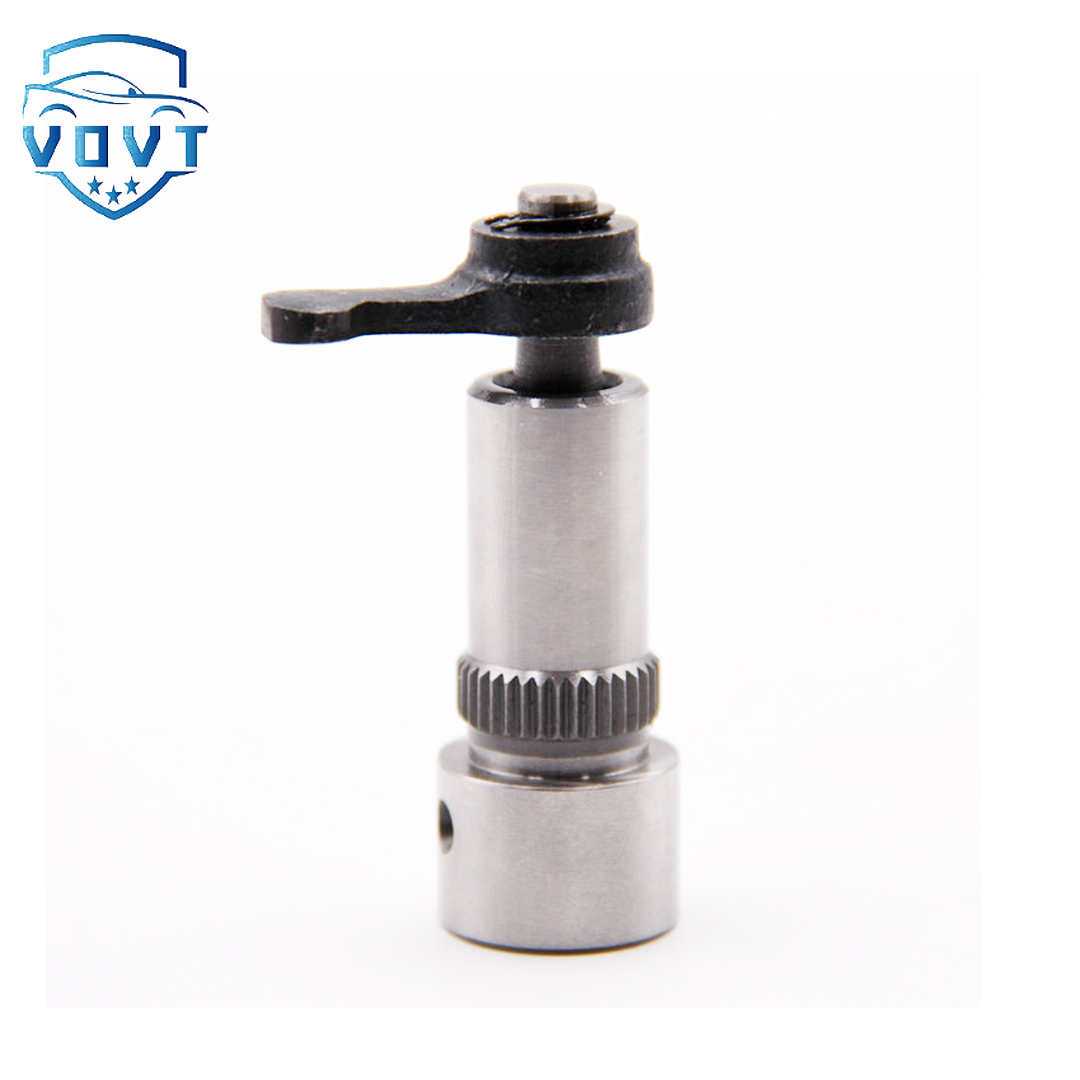
Factory Direct Sales New Diesel Pump Plunger 51...


