
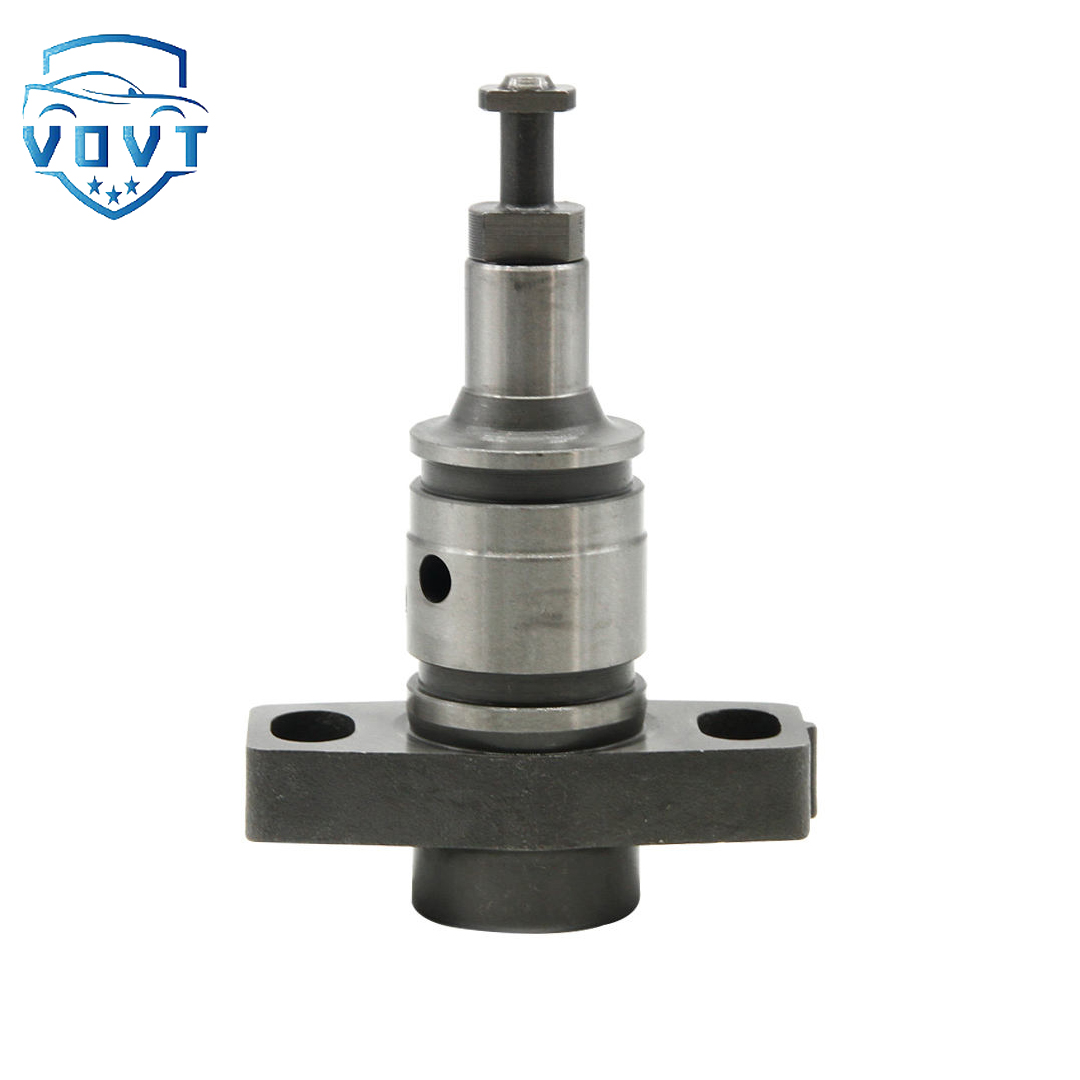
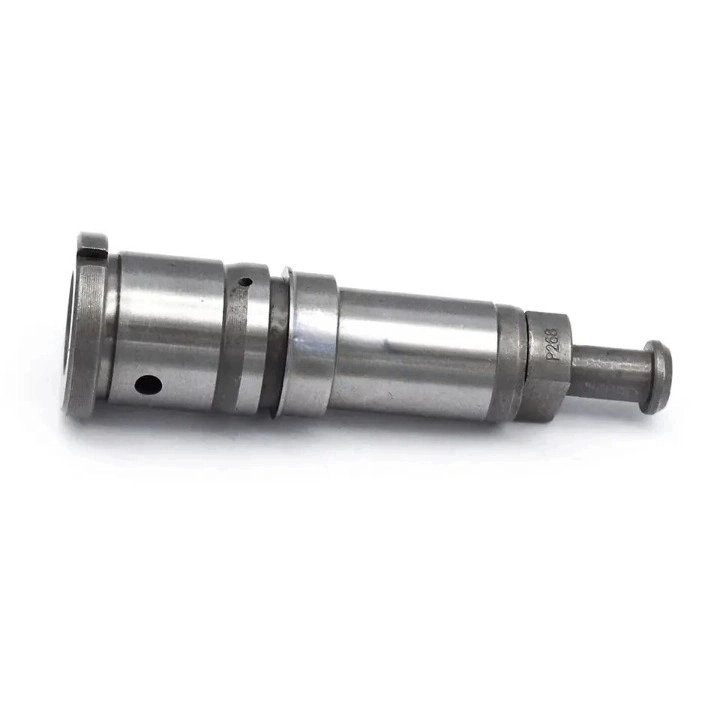
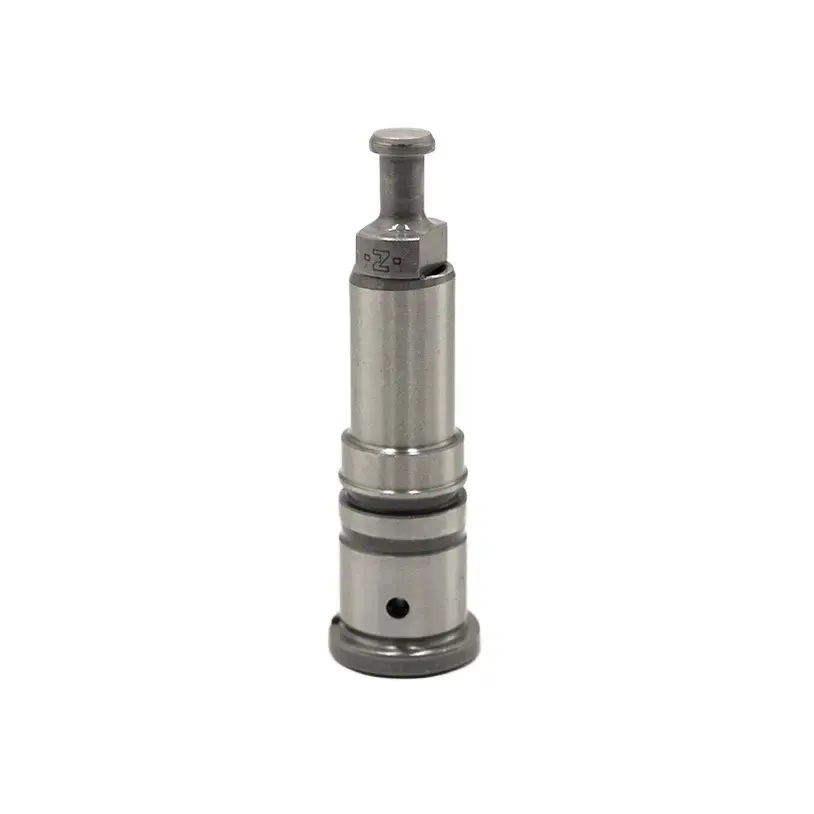
Made in China Fuel Injection Pump Plunger A294 Pump Elements Engine Accessories


products description
| Reference. Codes | A294 |
| OE/OEM Codes | / |
| Application | / |
| MOQ | 5 PCS |
| Certification | ISO9001 |
| Place of Origin | China |
| Packaging | Neutral packing |
| Quality Control | 100% tested before shipment |
| Lead time | 7~15 working days |
| Payment | T/T, Paypal, Western Union or as your requirement |
Feasibility Analysis of Non-Cylindrical Plunger Applications in Precision Manufacturing
Conventional plungers used in high-pressure fuel injection and hydraulic systems are predominantly cylindrical due to their simple geometry and ease of manufacturing. However, with the increasing demand for higher efficiency, reduced leakage, and improved flow control, non-cylindrical plungers with specially designed profiles have attracted growing research interest. This study evaluates the feasibility of applying non-cylindrical plungers in precision manufacturing from both technical and practical perspectives.
Non-cylindrical plungers, such as those with elliptical, polygonal, or grooved profiles, are designed to modify fuel flow characteristics and enhance dynamic sealing performance. By introducing controlled variations in clearance distribution, these designs can potentially reduce leakage under high-pressure conditions and improve lubrication behavior at the contact interface. Numerical analysis shows that optimized asymmetric profiles can effectively redistribute contact stress and minimize localized wear.
From a manufacturing standpoint, the primary challenge lies in achieving high dimensional accuracy and surface integrity for complex geometries. Traditional grinding and honing processes are insufficient for producing non-cylindrical plungers with micrometer-level tolerances. This study examines advanced manufacturing methods, including multi-axis CNC grinding, precision electrochemical machining, and laser-assisted finishing. Results indicate that multi-axis CNC grinding combined with adaptive toolpath control can achieve acceptable form accuracy, while post-processing techniques are essential to improve surface roughness.
Process repeatability and inspection also play critical roles in determining manufacturing feasibility. Coordinate measuring machines and optical profilometry are employed to evaluate geometric consistency and profile deviation. The findings reveal that strict process control and in-line inspection are necessary to maintain production stability, especially for mass manufacturing scenarios.
Finally, the study assesses the economic feasibility of non-cylindrical plungers. Although manufacturing costs are higher than those of conventional plungers, performance gains such as reduced leakage, improved durability, and enhanced flow control may justify their application in high-end or specialized systems. Overall, the results suggest that non-cylindrical plungers are technically feasible but require advanced manufacturing capabilities and targeted application scenarios to achieve practical value.
Products categories
-

Diesel Fuel Pump Plunger 0941500618 For Excavator
-
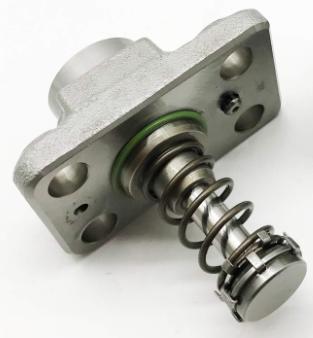
Fuel Pump Plunger F01M100869 For Bosch CP1 Fuel...
-

Best Selling New Diesel Pump Plunger P388 Plung...
-

Brand New Diesel Fuel Injection Pump Plunger &#...
-

China Made New Diesel Pump Plunger A161 Plunger...
-

China Top New Diesel Pump Plunger 090150-7653 P...
-

China Top New Diesel Pump Plunger 2 418 455 542...
-
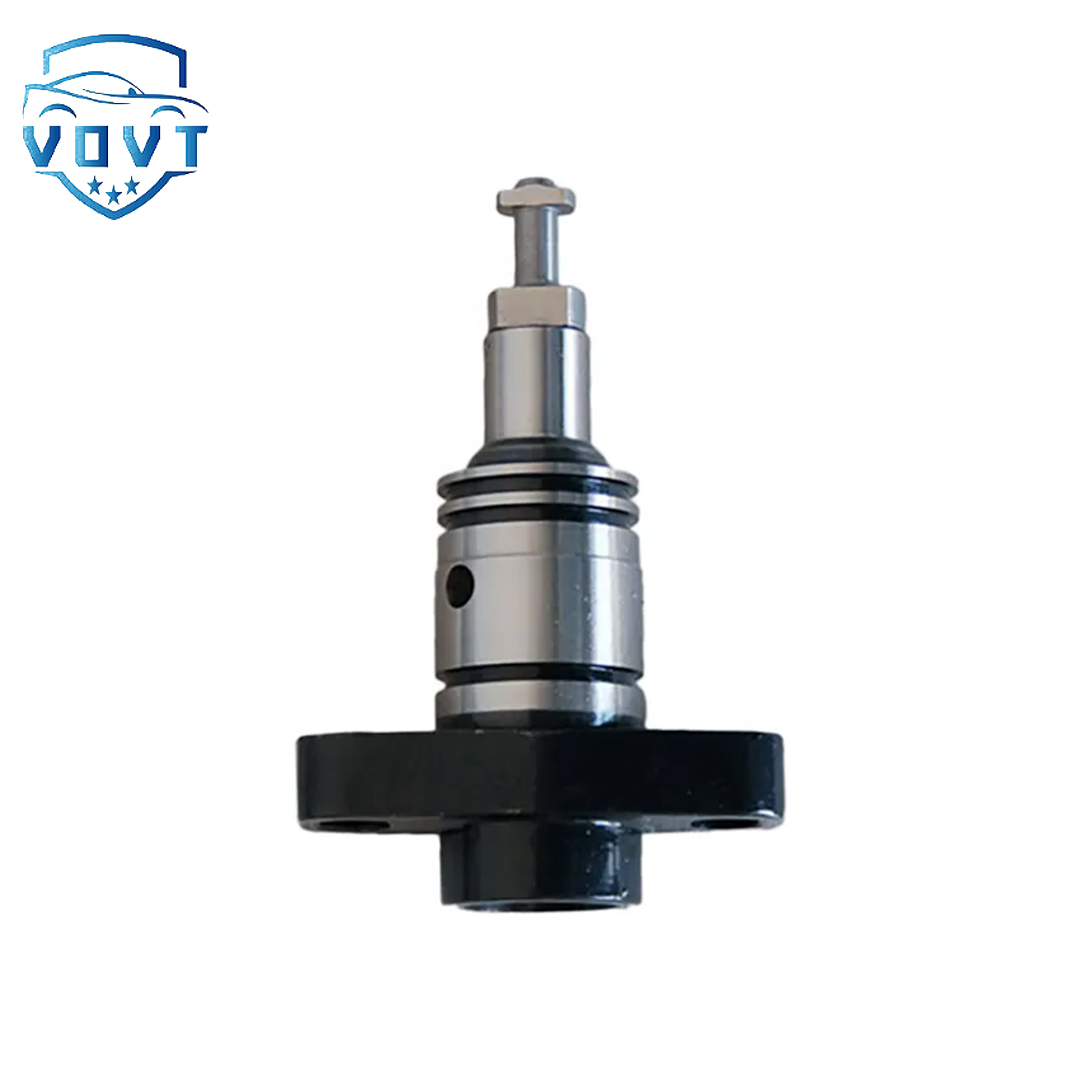
China Top New Diesel Pump Plunger PH9 Plunger B...
-
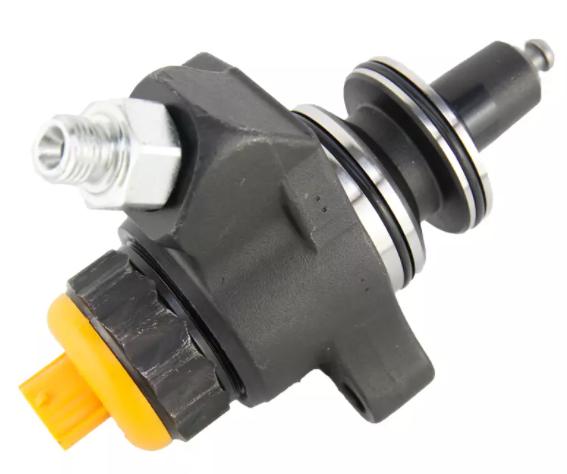
Common Rail Fuel Injection Pump Plunger 094150-...
-

Common Rail Injection Pump Plunger 094150-0330 ...
-
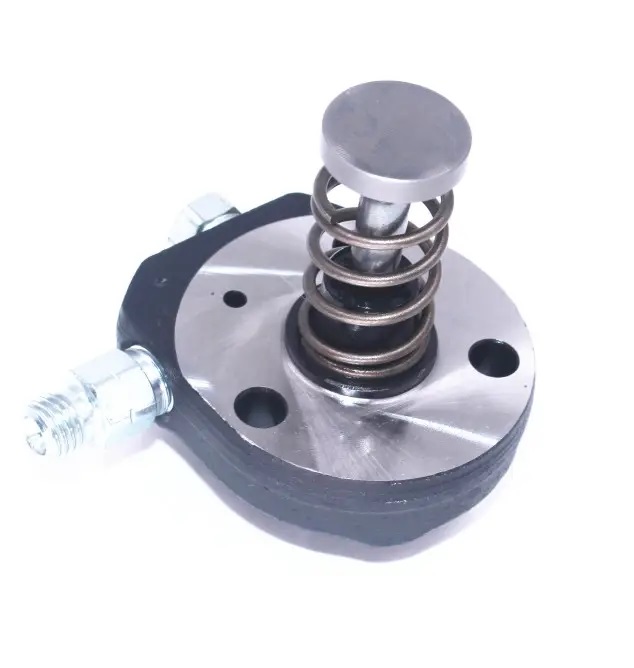
Common Rail Pump Plunger 294090-0080 294090-009...
-
Diesel Fuel Injection Pump Element Plunger 0901...
-
Diesel Fuel Pump Plunger 2418441001 for BENZ OM422
-
Diesel Injection Pump Plunger 2455-429
-

Diesel Pump Plunger PB202 For ASIMCO
-
Factory Direct Sales New Diesel Pump Plunger 51...


