
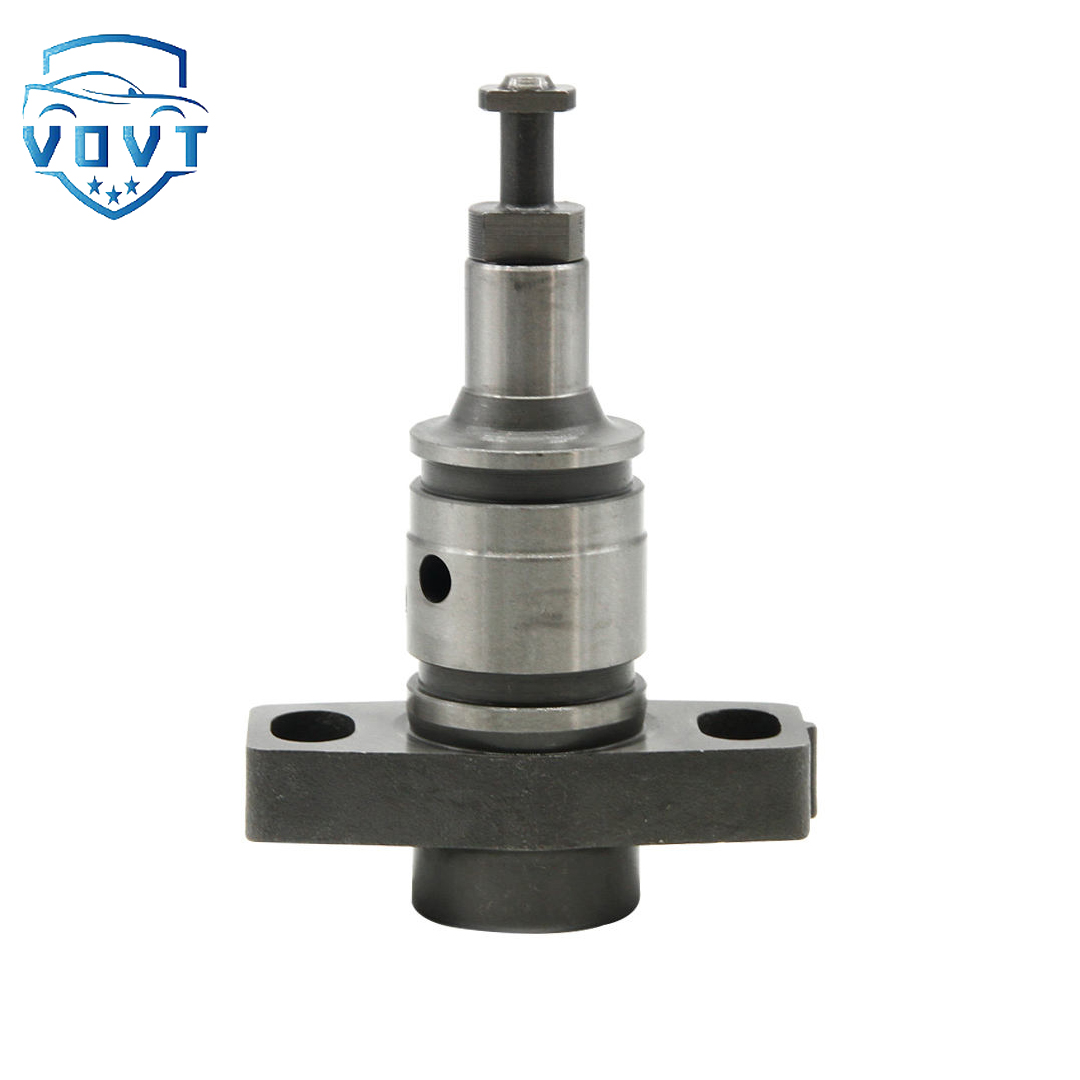
Made in China Fuel Injection Pump Plunger 2455-122 2 418 455 122 2418455122 Pump Elements Engine Accessories


products description
| Reference. Codes | 2455-122 |
| OE/OEM Codes | / |
| Application | / |
| MOQ | 5 PCS |
| Certification | ISO9001 |
| Place of Origin | China |
| Packaging | Neutral packing |
| Quality Control | 100% tested before shipment |
| Lead time | 7~15 working days |
| Payment | T/T, Paypal, Western Union or as your requirement |
Tribological Behavior and Sealing Performance of Diesel Pump Plunger Assemblies
Abstract
The plunger–barrel assembly in diesel fuel pumps operates under extreme pressure and minimal clearance, making its tribological behavior critical to system performance. This paper investigates friction, lubrication, and sealing characteristics of plunger assemblies, with emphasis on wear mechanisms and their impact on fuel delivery stability.
1. Introduction
In high-pressure diesel systems, the efficiency of fuel pressurization depends heavily on the interaction between the plunger and barrel. Unlike conventional sealing systems, this interface relies on ultra-precise clearances and fuel lubrication. Understanding its tribological properties is essential for improving durability and maintaining consistent pump output.
2. Contact Mechanics and Lubrication
The plunger and barrel form a sliding contact pair with micron-level clearance. Diesel fuel itself acts as the primary lubricant, creating a thin film that reduces direct metal-to-metal contact. However, variations in fuel viscosity, temperature, and cleanliness can significantly affect lubrication quality, altering friction behavior and wear rates.
3. Sealing Mechanism
Sealing in the plunger assembly is achieved through precision fit rather than elastic components. The extremely small clearance limits fuel leakage while allowing smooth reciprocating motion. Any deviation in surface finish or geometry can compromise sealing efficiency, leading to pressure loss and unstable fuel delivery.
4. Wear Mechanisms
The primary wear modes include adhesive wear, abrasive wear, and corrosion. Contaminants such as fine particles can disrupt the lubrication film, causing surface scoring. Over time, repeated stress and friction may enlarge the clearance, reducing both sealing capability and pressure generation efficiency.
5. Performance Implications
Degradation of the plunger–barrel interface directly impacts pump performance. Reduced sealing leads to lower injection pressure, while increased friction affects response time and energy efficiency. These changes can result in poor combustion, higher fuel consumption, and increased emissions.
6. Conclusion
The tribological performance of diesel pump plunger assemblies is fundamental to maintaining high-pressure fuel delivery. Optimizing material properties, surface treatment, and fuel cleanliness can significantly enhance durability and efficiency. Future developments in coating technology and precision manufacturing are expected to further improve plunger performance in advanced diesel systems.
Products categories
-

Diesel Fuel Pump Plunger 0941500618 For Excavator
-
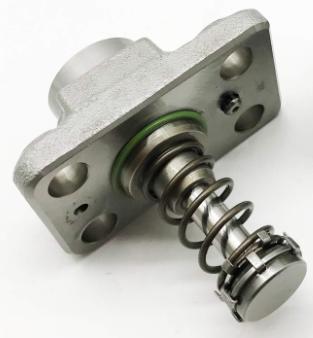
Fuel Pump Plunger F01M100869 For Bosch CP1 Fuel...
-

Best Selling New Diesel Pump Plunger P388 Plung...
-

Brand New Diesel Fuel Injection Pump Plunger &#...
-

China Made New Diesel Pump Plunger A161 Plunger...
-

China Top New Diesel Pump Plunger 090150-7653 P...
-

China Top New Diesel Pump Plunger 2 418 455 542...
-
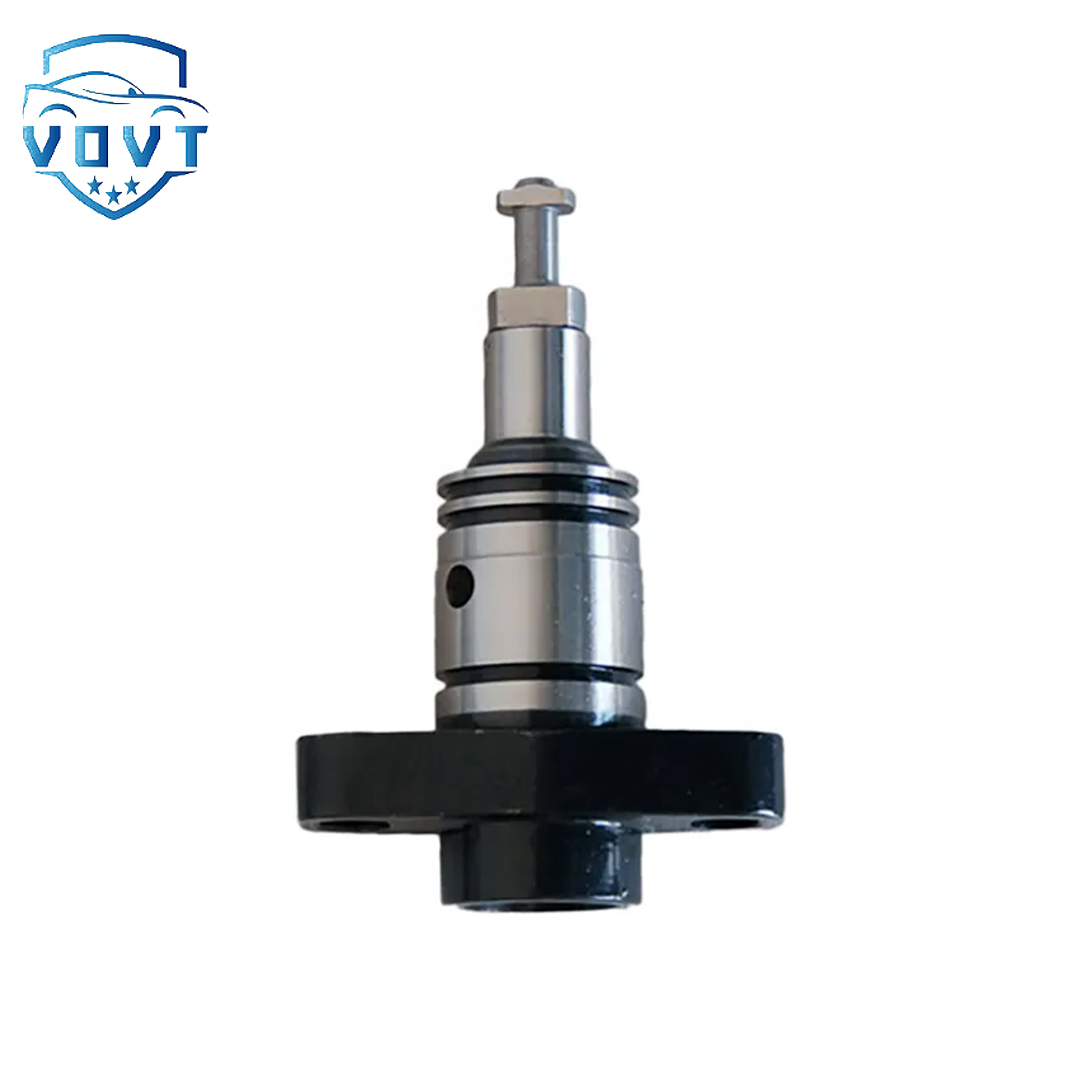
China Top New Diesel Pump Plunger PH9 Plunger B...
-
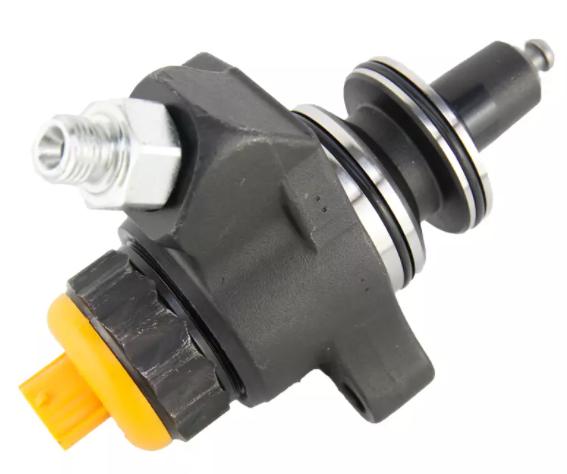
Common Rail Fuel Injection Pump Plunger 094150-...
-

Common Rail Injection Pump Plunger 094150-0330 ...
-
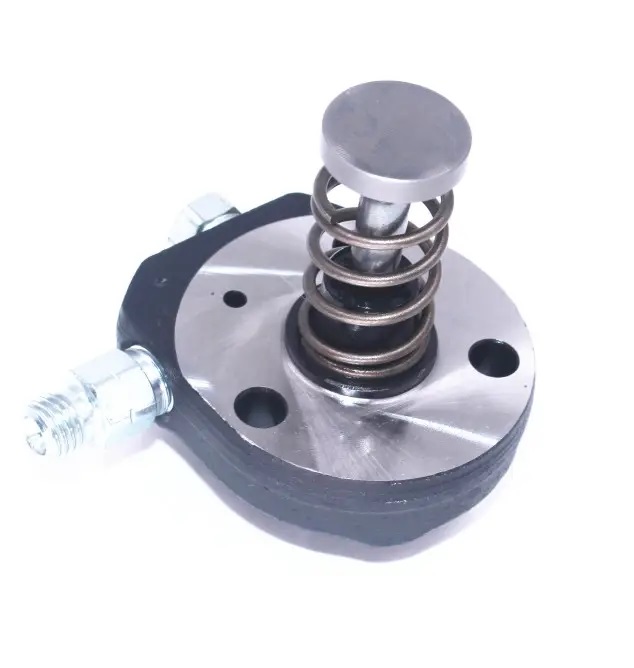
Common Rail Pump Plunger 294090-0080 294090-009...
-
Diesel Fuel Injection Pump Element Plunger 0901...
-
Diesel Fuel Pump Plunger 2418441001 for BENZ OM422
-
Diesel Injection Pump Plunger 2455-429
-

Diesel Pump Plunger PB202 For ASIMCO
-
Factory Direct Sales New Diesel Pump Plunger 51...


