
High Precision New Diesel Injector Control Valve F00RJ01222 Valve Assembly for Fuel Injector Engine Spare Parts


Products Description
| Reference Codes | F00RJ01222 |
| Application | / |
| MOQ | 6 PCS |
| Certification | ISO9001 |
| Place of Origin | China |
| Packaging | Neutral packing |
| Quality Control | 100% tested before shipment |
| Lead time | 7~10 working days |
| Payment | T/T, L/C, Paypal, Western Union, MoneyGram or as your requirement |
Functional Analysis of Valve Assemblies in Fuel Injectors
The valve assembly is a core functional unit of a fuel injector, responsible for controlling fuel flow, injection timing, and injection stability. Its performance directly determines the accuracy and reliability of fuel delivery in modern engine systems.
A typical injector valve assembly consists of a valve needle, valve seat, spring, control chamber, and associated guiding components. During operation, the valve needle remains seated under spring force and hydraulic pressure. When control pressure is reduced, the hydraulic force acting on the needle decreases, allowing the valve to lift and initiate fuel injection.
The dynamic behavior of the valve assembly plays a critical role in injection precision. The opening speed of the valve needle affects the injection rate rise, while the closing speed determines the sharpness of injection cutoff. A fast and stable valve response helps reduce fuel dribble and improves combustion consistency, especially under high-speed engine operation.
Internal flow characteristics within the valve assembly also influence performance. As fuel passes through small clearances and orifices, pressure losses and flow-induced forces are generated. These forces interact with the needle motion and may cause fluctuations in valve lift. Poorly designed flow paths can lead to unstable valve movement and increased wear of contact surfaces.
Material selection and surface quality are essential for ensuring valve durability. The valve needle and seat are typically made from hardened steel with high wear resistance to withstand repeated impact and sliding contact. Surface roughness and geometric accuracy directly affect sealing performance and leakage behavior.
Over long-term operation, wear and deformation of valve components can alter the force balance acting on the needle. This may result in delayed opening, incomplete closure, or increased internal leakage. Regular inspection and precise replacement of valve components are therefore necessary to maintain injector performance.
In modern fuel injection systems, the valve assembly must operate reliably under high pressure, high frequency, and varying temperature conditions. Optimizing valve geometry, flow passages, and material properties is essential for achieving stable injection behavior and long service life.
In summary, the injector valve assembly is a key element that governs fuel injection accuracy and system reliability. Its structural design, dynamic response, and durability characteristics are fundamental to the overall performance of fuel injectors.
Products categories
-
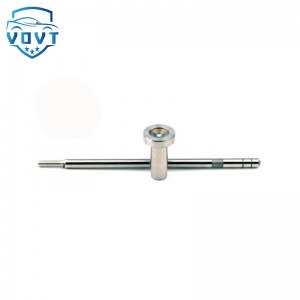
Common Rail Control Valve Assembly F00RJ01945 f...
-

High Quality Common Rail Control Valve Set Asse...
-

New fuel injector valve assembly F00VC01352 for...
-
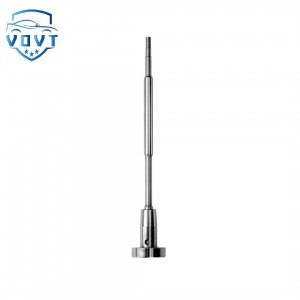
Common Rail Injector Control Valve F00RJ0339 Di...
-
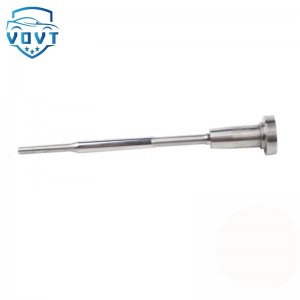
New Common Rail Injector Accessories Valve Asse...
-

OEM New Common Rail Injector Control Valve Asse...


