
Diesel Fuel Injection Pump R9044Z100A Engine Auto Engine Part


products description
| Reference Code | R9044Z100A |
| MOQ | 1 PCS |
| Certification | ISO9001 |
| Place of Origin | China |
| Packaging | Neutral packing |
| Quality Control | 100% tested before shipment |
| Lead time | 7~15 working days |
| Payment | T/T, Western Union, Money Gram, Paypal, Alipay, Wechat |
Adaptive Fuel Pump Operation under Variable Engine Load Conditions
Modern engines operate under continuously changing load and speed conditions, which place high demands on fuel pump adaptability. The fuel pump must not only supply sufficient fuel but also adjust its output to match real-time engine requirements in order to maintain efficiency and stability.
Under low engine load, excessive fuel flow from the pump can lead to unnecessary energy consumption and increased heat generation. In such conditions, a fuel pump with limited control capability may operate inefficiently, wasting power while maintaining higher-than-needed pressure. Adaptive pump operation helps reduce these losses by regulating pump speed or displacement.
At high engine load, fuel demand increases rapidly. The fuel pump must respond quickly to ensure adequate pressure is maintained. Delayed or insufficient pump response can cause pressure drops, leading to unstable injection and reduced engine performance. Therefore, pump dynamic response characteristics are critical for load adaptability.
The interaction between the fuel pump and pressure regulation devices also affects system behavior. Pressure regulators and bypass valves help stabilize fuel pressure but introduce additional flow paths that influence pump efficiency. Proper coordination between the pump and control components improves pressure stability and reduces energy loss.
Temperature variations further influence adaptive pump performance. Changes in fuel viscosity affect internal leakage and flow resistance, altering pump efficiency. Adaptive control strategies can compensate for these effects by adjusting pump operating parameters.
From a design perspective, fuel pumps must balance high efficiency with robust operation. Optimized internal geometry, reduced friction, and effective sealing help improve efficiency across a wide operating range. Advances in electronically controlled fuel pumps provide better adaptability compared to traditional mechanically driven pumps.
In conclusion, adaptive fuel pump operation plays an important role in improving energy efficiency and system stability under variable engine load conditions. Well-matched pump design and control strategies contribute to reliable fuel delivery and enhanced engine performance.
Products categories
-
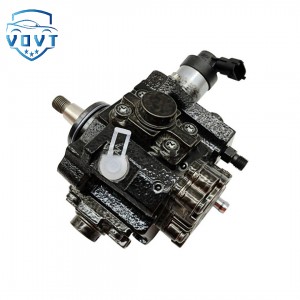
Fuel Injection Pump 0413406239 0 413 406 239 fo...
-
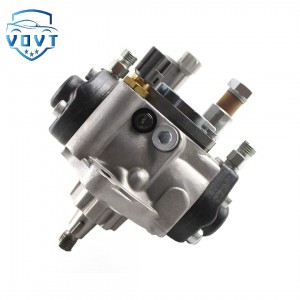
Common Rail Fuel Pump 294000-2690 for Hino J05E...
-

High Quality New Diesel Fuel Injection Pump 046...
-
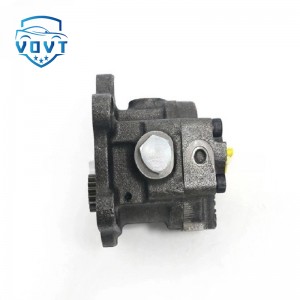
Fuel Pump 292-3751 2923751 for CAT Engine CAT S...
-

Diesel Fuel Injection Pump 235-2026 10R-1001 20...
-

Best Selling New Fuel Injection Pump 0 445 010 ...


