
Diesel Fuel Injection Pump 0 460 426 011 VE6/12F1100R52 Engine Auto Engine Part


products description
| Reference Code | 0 460 426 011 |
| MOQ | 1 PCS |
| Certification | ISO9001 |
| Place of Origin | China |
| Packaging | Neutral packing |
| Quality Control | 100% tested before shipment |
| Lead time | 7~15 working days |
| Payment | T/T, Western Union, Money Gram, Paypal, Alipay, Wechat |
Energy Efficiency and Power Consumption Optimization of Fuel Pumps
Fuel pumps are essential components in engine fuel systems, responsible for delivering fuel at the required pressure and flow rate. As engines move toward higher efficiency and lower emissions, the energy consumption of fuel pumps has become an increasingly important design consideration.
The power consumption of a fuel pump is influenced by its operating pressure, flow rate, and internal mechanical losses. Pumps operating continuously at high pressure consume significant energy, even when engine demand is low. This results in unnecessary fuel consumption and increased thermal load on the fuel system.
One major factor affecting pump efficiency is internal friction. Friction between moving components such as gears, vanes, or plungers converts mechanical energy into heat. Excessive friction not only reduces efficiency but also accelerates wear and shortens pump service life. Optimizing surface finish and lubrication conditions helps reduce friction losses.
Hydraulic losses also contribute to energy inefficiency. Flow restrictions, sharp turns, and pressure drops within the pump reduce effective output. Improved internal flow design and smoother flow paths help minimize hydraulic losses and improve pump efficiency.
Control strategies play an important role in reducing energy consumption. In electronically controlled fuel systems, pump operation can be adjusted based on real-time engine demand. By regulating pump speed or inlet fuel flow, the system avoids over-pressurization and reduces unnecessary energy use.
Fuel properties such as viscosity and temperature influence pump efficiency as well. High-viscosity fuel increases flow resistance and mechanical load, while low-viscosity fuel may increase internal leakage. Designing pumps to operate efficiently across a wide range of fuel conditions improves overall system performance.
In summary, improving the energy efficiency of fuel pumps requires a combination of optimized mechanical design, efficient hydraulic flow, and intelligent control strategies. These measures help reduce power consumption, improve durability, and support more efficient engine operation.
Products categories
-
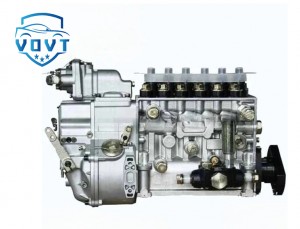
Fuel Injector Pump 61560080302 for WEICHAI Engi...
-

High Quality Fuel Injector Pump 9521A320T For P...
-

High Quality New Diesel Fuel Injection Pump 046...
-
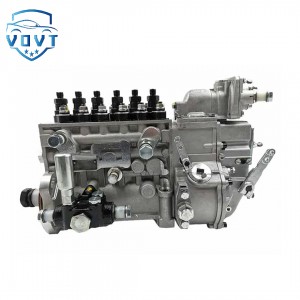
Top Quality Diesel Injection Pump BHT6P120R Fue...
-

Diesel Fuel Injection Pump 22100-1C190 VE6/10F1...
-

Diesel Fuel Injection Pump 4PL1174A Engine Auto...


