
Diesel Fuel Injection Pump 0 460 414 235 VE4/11F1250L1031 Engine Auto Engine Part


products description
| Reference Code | 0 460 414 235 |
| MOQ | 1 PCS |
| Certification | ISO9001 |
| Place of Origin | China |
| Packaging | Neutral packing |
| Quality Control | 100% tested before shipment |
| Lead time | 7~15 working days |
| Payment | T/T, Western Union, Money Gram, Paypal, Alipay, Wechat |
Effect of Internal Leakage on Volumetric Efficiency and Stability of Fuel Pumps
Internal leakage is an unavoidable phenomenon in fuel pumps due to the small clearances required for lubrication and component movement. Although a certain amount of leakage is necessary, excessive internal leakage can significantly reduce pump performance and affect fuel system stability.
Fuel pump internal leakage occurs mainly through clearances between moving components, such as gear tooth gaps, vane tips, or plunger-to-barrel interfaces. These leakage paths allow pressurized fuel to flow back toward the low-pressure side, reducing the effective output flow. As a result, the volumetric efficiency of the pump decreases, especially under high-pressure operating conditions.
The impact of leakage becomes more pronounced as operating pressure increases. Higher pressure creates a stronger driving force for leakage flow, causing a larger portion of the pumped fuel to circulate internally rather than being delivered to the fuel system. This not only lowers pump efficiency but also increases heat generation due to energy loss.
Internal leakage also affects pressure stability in the fuel system. Fluctuating leakage rates can lead to pressure variations at the pump outlet, which may propagate through fuel lines and influence downstream components such as injectors. Inconsistent pressure can cause unstable injection behavior and uneven engine performance.
Temperature plays an important role in leakage behavior. As fuel temperature rises, viscosity decreases, making it easier for fuel to flow through small clearances. This increases leakage rate and further reduces volumetric efficiency. At low temperatures, higher viscosity may reduce leakage but increase mechanical friction.
Wear of internal pump components gradually increases clearance sizes, leading to higher leakage over time. This performance degradation may not be immediately noticeable but can cause long-term efficiency loss and pressure instability. Monitoring leakage-related performance indicators helps identify pump wear at an early stage.
To control internal leakage, fuel pump design focuses on optimizing clearance sizes, improving surface finish, and selecting wear-resistant materials. Precision manufacturing and proper maintenance are essential for maintaining stable leakage levels throughout the pump’s service life.
In summary, internal leakage has a direct impact on the volumetric efficiency and stability of fuel pumps. Effective leakage control is essential for ensuring reliable fuel delivery and long-term fuel system performance.
Products categories
-

Diesel Fuel Injection Pump 319-0675 Engine Auto...
-
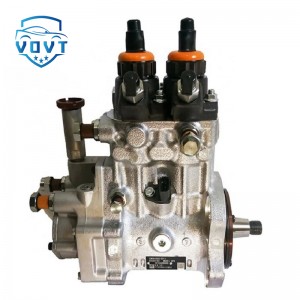
Diesel Pump 094000-0710 094000-0711 for HOWO Sp...
-
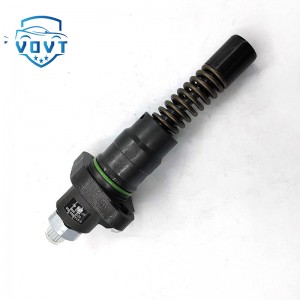
Fuel Injector Unit Pump 0414693005 for Deutz En...
-

High Quality New Diesel Fuel Injection Pump 046...
-
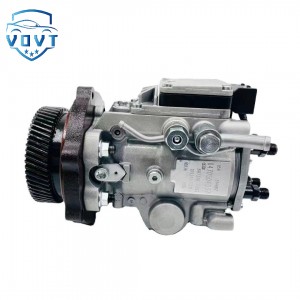
Diesel Injector Pump 0 440 020 028 0440020028 F...
-

High Quality New Fuel Injection Pump 104135-401...


