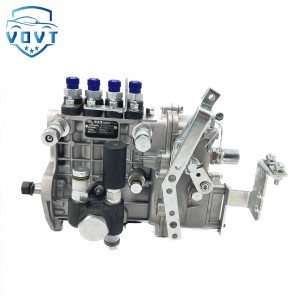
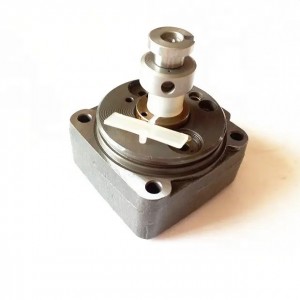
New Pressure Regulator Suction Pressure Valve Control Valve 0 281 002 829 0281002829 for Auto Spare Parts


Products Description
| Reference Codes | 0 281 002 829 |
| Application | / |
| MOQ | 12PCS |
| Certification | ISO9001 |
| Place of Origin | China |
| Packaging | Neutral packing |
| Quality Control | 100% tested before shipment |
| Lead time | 7~10 working days |
| Payment | T/T, L/C, Paypal, Western Union, MoneyGram or as your requirement |
Failure Mechanisms and Diagnostic Characteristics of Suction Control Valves
The suction control valve (SCV) plays a crucial role in regulating fuel supply to the high-pressure pump in common rail systems. Due to its continuous operation under varying load conditions, the SCV is subject to wear, contamination, and performance degradation over time. Understanding its failure mechanisms is essential for accurate system diagnosis and maintenance.
One common SCV failure mechanism is valve sticking caused by fuel contamination. Small particles or deposits may accumulate on valve surfaces, increasing friction and restricting valve movement. This can result in slow response or incomplete opening and closing, leading to unstable rail pressure.
Wear of internal components is another important factor. Continuous high-frequency operation gradually enlarges clearances between moving parts. Increased clearance alters internal leakage characteristics, reducing the precision of fuel flow control. As a result, the system may experience pressure oscillations or difficulty maintaining target rail pressure.
Electrical issues can also affect SCV performance. Degradation of the solenoid coil or poor electrical connections may reduce actuation force. Insufficient magnetic force leads to delayed valve response, especially during rapid pressure adjustments. This type of failure often appears as intermittent pressure control errors.
Temperature variations further influence SCV behavior. High fuel temperatures reduce viscosity, increasing leakage and reducing control sensitivity. At low temperatures, increased viscosity may slow valve movement, causing delayed pressure build-up during cold starts.
Diagnostic symptoms of SCV malfunction include unstable rail pressure, difficulty starting the engine, and irregular injection behavior. Pressure fluctuation patterns observed through diagnostic tools often provide early indicators of SCV degradation.
To reduce failure risk, high-quality fuel filtration and regular system maintenance are essential. Periodic performance testing helps identify early signs of SCV deterioration before serious system issues occur.
In conclusion, SCV failure mechanisms are closely linked to contamination, wear, and electrical degradation. Understanding diagnostic characteristics enables more accurate fault identification and improves the reliability of common rail fuel systems.