
Hot Selling Common Rail Diesel Fuel Injection Unit Pump 0 414 693 006 Engine Parts 0414693006


products description
| Reference Code | 0 414 693 006 |
| Application | Deutz |
| MOQ | 1PCS |
| Certification | ISO9001 |
| Place of Origin | China |
| Packaging | Neutral packing |
| Quality Control | 100% tested before shipment |
| Lead time | 7~10 working days |
| Payment | T/T, L/C, Paypal, Western Union, MoneyGram or as your requirement |
Structural Characteristics and System Integration Advantages of Unit Pumps
The unit pump is a key component in certain high-pressure diesel fuel injection systems, combining fuel pressurization and precise delivery within a compact, modular structure. Compared with centralized high-pressure pumps, unit pumps offer unique advantages in flexibility, control accuracy, and system integration.
A unit pump is typically driven directly by the engine camshaft, with each pump serving an individual injector or cylinder. This decentralized structure allows fuel pressure generation to be closely synchronized with engine operating cycles. As a result, pressure generation and injection timing can be controlled more precisely, reducing pressure losses associated with long fuel lines.
One important advantage of unit pumps is their modular design. Each pump operates independently, which simplifies system layout and improves scalability. Engine configurations can be adjusted by changing the number of unit pumps without redesigning the entire fuel system. This modularity also facilitates maintenance, as individual pumps can be serviced or replaced without affecting the rest of the system.
The close integration between the unit pump and injector reduces hydraulic delay and pressure fluctuation. Shorter fuel paths improve pressure response and help achieve more consistent injection quantities. This is particularly beneficial for engines requiring precise fuel control under varying load conditions.
Unit pumps also allow better adaptation to different engine sizes and performance requirements. By adjusting plunger diameter, cam profile, and control strategies, unit pumps can be optimized for specific operating conditions. This flexibility makes them suitable for heavy-duty engines where robustness and reliability are critical.
However, unit pump systems place higher demands on mechanical precision and lubrication. Since each pump operates under high load and frequency, component durability and wear resistance are important design considerations. Proper material selection and surface treatment are essential for long-term reliability.
In summary, unit pumps provide significant advantages in modularity, pressure control accuracy, and system integration. Their structural characteristics make them well suited for high-performance and heavy-duty engine applications where precise fuel delivery and system flexibility are required.
Products categories
-
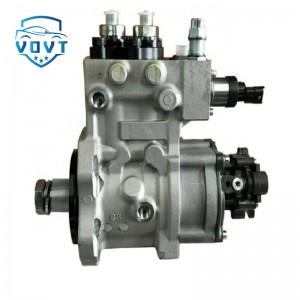
Diesel Injector Pump 612600080674 for WEICHAI S...
-

Fuel Injection Pump 0445020122 0 445 020 122 fo...
-
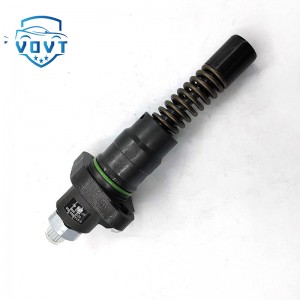
Fuel Injector Unit Pump 0414693005 for Deutz En...
-

High Performance Diesel Fuel Injection Pump 0 4...
-
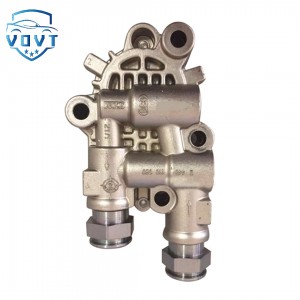
High Pressure Common Rail Fuel Pump 2445110060 ...
-

Diesel Fuel Injection Pump 299050-0021 Engine A...


