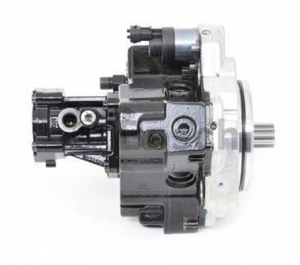
Diesel Fuel Injection Pump BH4QT85R9 Engine Auto Engine Part


products description
| Reference Code | BH4QT85R9 |
| MOQ | 1 PCS |
| Certification | ISO9001 |
| Place of Origin | China |
| Packaging | Neutral packing |
| Quality Control | 100% tested before shipment |
| Lead time | 7~15 working days |
| Payment | T/T, Western Union, Money Gram, Paypal, Alipay, Wechat |
Air Bleeding and Cavitation Prevention Design in Diesel Fuel Pumps
In diesel fuel pumps, air entrainment and cavitation are two common challenges that can significantly impair fuel delivery efficiency and pump durability. Air within the fuel system can lead to unstable pressure, while cavitation—caused by local pressure drops—can cause mechanical damage and loss of performance. Therefore, effective air bleeding and cavitation prevention are essential in pump design.
Air entrainment typically occurs during fuel intake, especially in situations where the fuel tank is low or the system is being primed after maintenance. When air is present in the pump's fuel intake, it leads to a compressible mixture of air and fuel. This affects the stability of the pump's hydraulic performance, causing uneven pressure generation. If the pump cannot effectively expel the air, the system experiences reduced volumetric efficiency, erratic fuel delivery, and increased wear on internal components.
To address air entrainment, modern fuel pumps incorporate air-bleeding mechanisms, which allow trapped air to escape from the system. These systems typically include a combination of return fuel passages, venting valves, and self-priming pumps. By circulating fuel through the system before full operation, air is expelled, and the pump operates with a consistent liquid flow.
Cavitation, on the other hand, occurs when the pressure within the pump drops below the vapor pressure of the fuel, causing the fuel to vaporize and form bubbles. When these bubbles collapse, they generate shockwaves that can erode metal surfaces, leading to cavitation damage. Cavitation is more likely to occur in areas where pressure gradients are steep, such as near pump inlets or around narrow passageways.
To prevent cavitation, pump designers optimize the flow path to minimize sharp bends and sudden changes in diameter, which can cause pressure drops. Additionally, the use of pressure regulation valves can help maintain a stable suction pressure, keeping it above the fuel's vapor pressure. Carefully designed inlets and internal components, such as smoother surfaces and appropriate clearances, help to maintain the pressure balance.
Material selection is also critical. Components exposed to cavitation damage are often made from durable, wear-resistant materials to withstand the erosive effects of repeated bubble collapse.
In summary, addressing air entrainment and cavitation in diesel fuel pumps is vital to ensure smooth, efficient fuel delivery and maintain long-term durability. Through effective air-bleeding systems, optimized flow paths, and durable material choices, the risk of air-related issues and cavitation damage can be minimized, resulting in more reliable pump operation.