
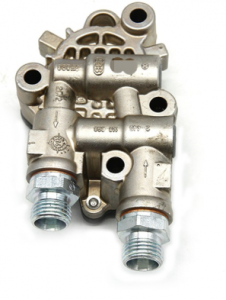
Diesel Fuel Injection Pump 4A300 Engine Auto Engine Part


products description
| Reference Code | 4A300 |
| MOQ | 1 PCS |
| Certification | ISO9001 |
| Place of Origin | China |
| Packaging | Neutral packing |
| Quality Control | 100% tested before shipment |
| Lead time | 7~15 working days |
| Payment | T/T, Western Union, Money Gram, Paypal, Alipay, Wechat |
Transient Start-Up Behavior of Fuel Pumps and Pressure Build-Up Characteristics
The start-up phase of a fuel pump plays a critical role in determining the stability and reliability of the engine fuel supply system. During engine start, the fuel pump must quickly establish sufficient pressure to support proper injection. Any delay or instability in this transient process can negatively affect engine starting performance.
When the fuel pump begins operation, internal components such as gears, vanes, or plungers accelerate from rest to operating speed. During this period, fuel flow and pressure rise rapidly. The rate of pressure build-up depends on pump design, internal clearances, and fuel properties. Pumps with large internal leakage may require more time to reach the target pressure.
Air trapped in the fuel system has a strong influence on start-up behavior. Entrained air compresses easily, reducing the effective pressure generated by the pump. This can cause pressure oscillations or delayed pressure rise. Proper system bleeding and pump design that minimizes air retention are important for stable start-up performance.
Temperature also affects pump start-up characteristics. At low temperatures, fuel viscosity increases, raising flow resistance and friction within the pump. This may slow down pump response and increase mechanical load during start-up. In contrast, high temperatures reduce fuel viscosity, increasing leakage and potentially lowering pressure build-up efficiency.
The interaction between the fuel pump and pressure control components further influences start-up behavior. Check valves, pressure regulators, and accumulators affect how quickly pressure is established and stabilized. Poor coordination between these components may lead to pressure overshoot or fluctuations during the start-up phase.
To improve start-up performance, fuel pump designs often focus on reducing internal leakage, optimizing inlet flow paths, and improving sealing performance. Advanced pump systems may also incorporate electronic control strategies to adjust pump speed during start-up for faster and smoother pressure establishment.
In summary, the transient start-up behavior of fuel pumps is a key factor in fuel system reliability. Understanding and optimizing pressure build-up characteristics help ensure stable fuel delivery, reliable engine start, and improved overall system performance.
Products categories
-

High Performance Diesel Fuel Injection Pump 0 4...
-

High Quality Diesel Fuel Injection Pump BH4PN12...
-

Diesel Fuel Injection VE Pump 0460426369 0 460 ...
-

Diesel Fuel Injection Pump 094000-0121 Engine A...
-
Common Rail Gear Pump 2445110060 0440020117 For...
-

Diesel Fuel Injection Pump 189-5184 For CAT Eng...


